Close
Click or press [Enter] to view the results
Trends


Printed Fabrics View articles
Telas en Colores Lisos View articles
Telas para Imprimir View articles
Trends
Printed Fabrics View articles
Telas en Colores Lisos View articles
Telas para Imprimir View articles


| Material: | 97% Polyester, 3% Elastane |
| Width (cm): | 146 |
| Grammage (g/m²): | 95 |
| Features: | Brilliant, Smooth, Thin |
| Application / Use: | Shirts, Blouses, Kimono, Accessories, Monkeys |
| Manufacturing Method: | Single-sided digital textile printing, all products are custom-made to order. |
| Care: |
     |
The base fabric, 100% polyester satin called Raso - Ámsterdam, is a solid color printed in seafoam green. This color is generated from a combination of inks using the CMYK system in its printing process: 75% cyan, 16% magenta, 47% yellow, and 2% black. This color symbolizes the freshness of the sea and its natural beauty. With other colors, such as white, black, and gold, seafoam green combines perfectly to create modern and elegant designs.
This fabric is printed on one side using digital textile printing; it is not a dyed fabric but printed on one side, so the color quality varies depending on the definition of the printed image. The general characteristics of the base fabric are its bright visual texture, soft tactile texture, and fine drape.
Raso - Ámsterdam fabric is used in a wide variety of applications and uses, including the manufacture of womens and mens fashion, such as shirts, blouses, skirts, pants, tops, jumpsuits, pajamas, kimonos, dresses, accessories, and scarves. Additionally, it is also used for bridal lingerie due to its elegant appearance.
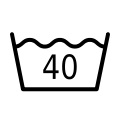
To care for this fabric properly, bleaching and cleaning with trichloroethylene should be avoided. The proper way to wash it is with water at a maximum temperature of 40 ºC and preferably by hand. Ironing should be done at a warm temperature, and tumble drying is allowed only at a reduced temperature.
The printing technology used for this fabric is sublimation. This technique is applied using a large-format printer that prints images on sublimation paper in mirror image, and then they are transferred by heat and pressure onto the base fabric. The process is carried out at temperatures of 190-210 ºC and lasts 30 to 40 seconds. The result is a high-quality image, resistant to washing and wear.