Close
Click or press [Enter] to view the results
Trends


Printed Fabrics View articles
Telas en Colores Lisos View articles
Telas para Imprimir View articles
Trends
Printed Fabrics View articles
Telas en Colores Lisos View articles
Telas para Imprimir View articles


| Material: | 100% Polyester |
| Width (cm): | 145 |
| Grammage (g/m²): | 70 |
| Features: | Water repellent, Thin, Smooth |
| Application / Use: | Jackets, Shower Curtains, Raincoats, Jackets, Cushions |
| Manufacturing Method: | Single-sided digital textile printing, all products are custom-made to order. |
| Care: |
     |
The base fabric is the Fine Water-Repellent Fabric - Storm, a technical fabric made of 100% polyester with a weight of 70 gr/m2 and a width of 145 cm. Its plain printed color is a Maize Yellow with the following CMYK content: 12 1 61 0. This yellow hue is characterized by transmitting joy, optimism, and vitality, evoking sunny days and warm summers. Additionally, it combines very well with blue and green tones, as well as white and gray.
It is important to note that this fabric is printed with the plain color on one side by digital textile printing, which means it is not a dyed fabric, but rather printed on one side. The base fabric is characterized by having a waterproof finish and being water-repellent, making it very useful for garments and accessories that will be exposed to rain or humidity. Furthermore, its texture is very thin and smooth, which makes it a very versatile fabric.
Regarding applications and uses, this fabric is perfect for both womens and mens fashion, especially for jackets and raincoats. It can also be used in home textiles, such as shower curtains, and in sportswear such as jackets or blousons. It is an ideal fabric for the winter season, as its waterproof finish protects against rain and humidity.
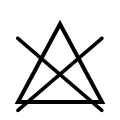
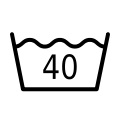
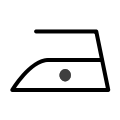
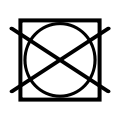
For the care of this fabric, it is important to follow the washing recommendations: do not bleach, do not dry clean, iron at a cool temperature, and do not tumble dry. The maximum recommended washing temperature is 40ºC.
Finally, the printing technology used on this fabric is sublimation (polyester), which allows for high-quality and durable digital textile printing on all types of synthetic fabrics. This technique is carried out by transferring the printed design through heat to the base fabric, creating an image resistant to rubbing and fading.