Close
Click or press [Enter] to view the results
Trends


Printed Fabrics View articles
Telas en Colores Lisos View articles
Telas para Imprimir View articles
Trends
Printed Fabrics View articles
Telas en Colores Lisos View articles
Telas para Imprimir View articles


Elige colores lisos a juego con tu estampado favorito. ¡Selecciona aquí alguno de los colores principales!
| Material: | 96% Polyester, 4% Elastane |
| Width (cm): | 150 |
| Grammage (g/m²): | 220 |
| Pattern: | Painting, Simple, Vector pattern, Artistic, Drawn |
| Features: | Soft, Thin |
| Application / Use: | Shirts, Skirts, Blouses, Dresses, Handkerchiefs |
| Manufacturing Method: | Single-sided digital textile printing, all products are custom-made to order. |
| Care: |
     |
| Notices: |
Existen diferentes tipos de Sarga disponibles sen nuestra web, este tejido es una Sarga fina de bajo gramaje. Recomendamos adquirir una muestra para validar que es la textura que busca. |
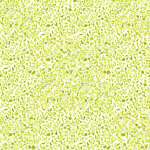
Sarga - Prada fabric is a 220 gr/m2 twill, composed of 96% polyester and 4% elastane, with a width of 150 cm. Its printed design is a simple vector pattern painting, with an artistic and drawn style. The main colors of the design are cotton white, banana yellow, and chameleon green. When combining this fabric with other plain colors, white, yellow, or green tones can be used to create a versatile and modern look. The fabric is digitally printed with the design on one side.
Sarga - Prada fabric has a series of important characteristics, such as its softness and delicacy to the touch, in addition to being a thin and comfortable fabric. On the other hand, the printed design is complex in its simplicity, making it perfect for use in womens and mens fashion garments, such as shirts, skirts, blouses, dresses, and accessories, such as scarves. In addition, the artistic and original design of the print, with its vector pattern and drawn style, allows for the creation of unique and elegant outfits.
Regarding the care of Sarga - Prada fabric, it is important to note that it should not be bleached, that it should be washed at a maximum temperature of 30ºC, that dry cleaning is allowed except for trichloroethylene, and that it should be ironed at a low temperature. It is also important to avoid tumble drying to maintain its quality and durability.
The printing technology used to manufacture this fabric is sublimation (polyester), which means that the digital textile printing process is carried out through a color transfer technique, in which the pigments are impregnated directly into the fabric, without losing their quality or intensity in washing. This technique allows for the creation of unique and personalized designs, with high quality and durability over time.