Close
Click or press [Enter] to view the results
Trends


Printed Fabrics View articles
Telas en Colores Lisos View articles
Telas para Imprimir View articles
Trends
Printed Fabrics View articles
Telas en Colores Lisos View articles
Telas para Imprimir View articles


Elige colores lisos a juego con tu estampado favorito. ¡Selecciona aquí alguno de los colores principales!
| Material: | 97% Polyester, 3% Elastane |
| Width (cm): | 150 |
| Grammage (g/m²): | 209 |
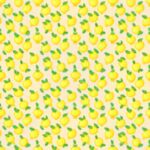
| Pattern: | Very Simple, Vector pattern, Lemon, Light |
| Features: | Wrinkled, Elastic, Soft |
| Application / Use: | Pants, Cloths, Skirts, Jeans, Shorts |
| Manufacturing Method: | Single-sided digital textile printing, all products are custom-made to order. |
| Care: |
     |
The Bi-elastic Twill Fabric - Lisbon features a very simple, vector-patterned design, with a gastronomy theme starring lemons, predominantly reflecting ecru and canary yellow tones. The fabrics texture is rough and elastic to the touch, yet soft, and can be used for making clothing items such as pants, skirts, jeans, and dresses, as well as for home decoration with cushions, frames, paintings, and napkins. It is important to note that the fabric is digitally printed with the design on one side only.
In terms of its general characteristics, bi-elastic twill is a fabric composed of 97% polyester and 3% elastane, with a weight of 209 gr/m2 and a width of 150 cm. Its main attributes include its soft texture, elasticity, and wash resistance. Additionally, the printed design adds a touch of originality and creativity to the garment or item made with this fabric.
The applications and uses of this fabric are diverse, making it an ideal option for creating a wide variety of clothing items such as pants, skirts, jeans, and dresses, as well as for home decoration with cushions, frames, paintings, and napkins. Furthermore, its bi-elastic composition makes it perfect for garments that require greater mobility and flexibility.
Regarding fabric care, it is recommended to wash it at a maximum temperature of 30ºC, iron at a cool temperature, and not use a tumble dryer. This fabric also allows dry cleaning, with the exception of trichloroethylene.
The printing technology used for the Bi-elastic Twill Fabric - Lisbon is sublimation (polyester), which allows the transfer of the design from special paper to the fabric through heat and pressure. This technology is very common in the textile industry and allows for precise and durable designs.