Close
Click or press [Enter] to view the results
Trends


Printed Fabrics View articles
Telas en Colores Lisos View articles
Telas para Imprimir View articles
Trends
Printed Fabrics View articles
Telas en Colores Lisos View articles
Telas para Imprimir View articles


Elige colores lisos a juego con tu estampado favorito. ¡Selecciona aquí alguno de los colores principales!
| Material: | 75% Polyester, 25% Elastane |
| Width (cm): | 150 |
| Grammage (g/m²): | 230 |
| Pattern: | Simple, Home Decoration, Decorative, Photography, Light |
| Features: | Elastic, Chlorine Resistant, Very High UV Protection 50+ |
| Application / Use: | Body, Bikinis, Swimsuit, Jersey, Tights / Leggings |
| Sustainability certificates: | GRS |
| Manufacturing Method: | Single-sided digital textile printing, all products are custom-made to order. |
| Care: |
     |
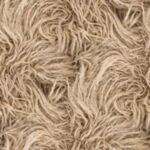
The fabric in question is Recycled Lycra - Seal of 230 gr/m2, a type of elastic and chlorine-resistant fabric with very high UV protection 50+. The printed design it features is of simple complexity, with a decorative style and a wool texture. The main colors used are multi-colored, which gives it a cheerful and vibrant feel. To combine with the printed design, solid colors can be used to complement and enhance the shades of the print.
The combination of the fabric with the printed design results in a fabric with a soft and pleasant texture to the touch, which is perfect for garments such as lingerie, sportswear, swimwear, and leggings. In addition, due to its chlorine resistance and UV protection, it is also ideal for outdoor garments that require these cares.
The general characteristics of the fabric and the printed design complement each other perfectly to offer a resistant and durable garment. Recycled Lycra - Seal adapts to the bodys figure and offers freedom of movement, while the printed design adds a decorative and distinctive touch.
Regarding the care that should be taken into account for this fabric, it is important not to bleach it, wash it at a maximum temperature of 40°C, iron it at a low temperature, and avoid tumble drying. This information should be taken into account to prolong the life of the fabric and maintain its original quality.
The printing technology used for this fabric is sublimation (polyester), which consists of transferring the printed design to the fabric using heat and pressure. This process guarantees a high quality of the printed design and offers great durability and resistance to discoloration. It should be noted that the fabric is printed on only one side, which gives the design an air of exclusivity and singularity.