Close
Trends


Printed Fabrics View articles
Telas en Colores Lisos View articles
Telas para Imprimir View articles
Trends
Printed Fabrics View articles
Telas en Colores Lisos View articles
Telas para Imprimir View articles


Elige colores lisos a juego con tu estampado favorito. ¡Selecciona aquí alguno de los colores principales!
| Material: | 85% Polyester, 12% Polyamide, 3% Elastane |
| Width (cm): | 150 |
| Grammage (g/m²): | 280 |
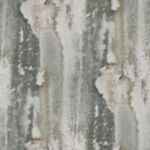
| Pattern: | Photography, Trees, Logs, Dark, Corrosion |
| Features: | Soft |
| Application / Use: | Chairs, Armchairs, Pants, Overshirts, Cushions |
| Manufacturing Method: | Single-sided digital textile printing, all products are custom-made to order. |
| Care: |
      |
| Notices: |
IMPORTANTE: plazo de recepción de tela base previsto para el 15 de Febrero, todos los pedidos previos de Enero y Febrero se expedirán a partir de esa fecha. |
The Velvety Corduroy Fabric - Dublin has a composition of 85% polyester, 12% polyamide, and 3% elastane, with a weight of 280 gr/m2 and a width of 150 cm. Its printed design features a sublimated print with an image of nature, showing a landscape with trees and corroded trunks, in multicolor tones. This printed design is presented on only one side of the fabric using digital textile printing.
The soft texture and visual sheen are the main characteristics of this fabric and its design. This design symbolizes natural elements, showing the beauty of imperfection and the wear and tear of time in nature. The multicolor combination allows for a wide variety of pairing options with solid colors, such as earth tones, browns, or dark green.
This fabric is suitable for various applications and uses, such as decoration, upholstery for chairs, sofas, and armchairs, fashion for pants, jackets, and accessories like bags and backpacks. The fabric is suitable for use during the winter season due to its weight and texture. Additionally, this fabric has corrosion-resistant properties.
Regarding care, it is important to follow the instructions, avoiding bleaching and dry cleaning. A maximum washing temperature of 30ºC should be used, and it can be ironed at a cool temperature. This fabric should not be tumble dried.
The printing technology used to manufacture this fabric is sublimation on polyester. This technique involves transferring the digitally printed design to the fabric surface using heat and pressure, resulting in a high-quality and durable image. It is important to note that this fabric is printed on only one side and not on both.