Close
Click or press [Enter] to view the results
Trends


Printed Fabrics View articles
Telas en Colores Lisos View articles
Telas para Imprimir View articles
Trends
Printed Fabrics View articles
Telas en Colores Lisos View articles
Telas para Imprimir View articles


Elige colores lisos a juego con tu estampado favorito. ¡Selecciona aquí alguno de los colores principales!
| Material: | 81% Polyester, 15% Acrylic, 4% Elastane |
| Width (cm): | 150 |
| Grammage (g/m²): | 239 |
| Pattern: | Simple, Vector pattern, Home Decoration, Flowers, Petals |
| Features: | Soft, Elastic |
| Application / Use: | Pajamas, Jerseys, Tops, Knitwear, Dresses |
| Manufacturing Method: | Single-sided digital textile printing, all products are custom-made to order. |
| Care: |
     |
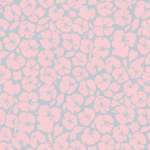
The base fabric of this garment is a Cotton-Touch Jersey Knit, known as Atenas. Its printed design, digitally printed on one side, features a simple complexity and a vector pattern style with home decor elements. With a floral nature of flowers and plants, its main color palette includes rose gold, silver gray, and carmine light pink. Additionally, this fabric could be combined with solid colors such as black, white, gray, or cream.
Regarding its characteristics, Atenas fabric stands out for its soft and elastic texture. On the other hand, the printed design features details of flowers and plants that make it ideal for fashion garments, lingerie, accessories, and home textiles. It can also be used in childrens clothing, thanks to the softness of the fabric.
In terms of applications and uses, this fabric is suitable for knitwear, cardigans, sweaters, dresses, etc. It is also ideal for use in accessories such as socks, scarves, or foulards. Within the home, it can be used for tablecloths and napkins, as well as for blankets in the living room or bedroom.
It is important to note that the fabric must be cared for with caution, avoiding bleach and using a maximum temperature of 30°C for washing. Furthermore, it is not recommended to use a dryer, and it should be ironed at a cool temperature. Dry cleaning is permitted, but the use of trichloroethylene should be avoided.
Finally, the printing technology used to manufacture this fabric is sublimation (polyester), which uses special ink to transfer the printed design from transfer paper to the fabric. This process allows the design to maintain its colors and details for a long time, without losing its intensity.