Close
Click or press [Enter] to view the results
Trends


Printed Fabrics View articles
Telas en Colores Lisos View articles
Telas para Imprimir View articles
Trends
Printed Fabrics View articles
Telas en Colores Lisos View articles
Telas para Imprimir View articles


Elige colores lisos a juego con tu estampado favorito. ¡Selecciona aquí alguno de los colores principales!
| Material: | 82% Polyester, 18% Elastane |
| Width (cm): | 150 |
| Grammage (g/m²): | 270 |
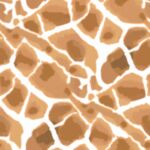
| Pattern: | Leopard, Simple, Vector pattern, Light |
| Features: | Elastic, Chlorine Resistant, Very High UV Protection 50+ |
| Application / Use: | Body, Swimsuit, Bikinis, Jersey, Tights / Leggings |
| Manufacturing Method: | Single-sided digital textile printing, all products are custom-made to order. |
| Care: |
     |
Polyester Lycra fabric - Nairobi is an elastic and resistant fabric, with a weight of 270 gr/m2 and a fabric width of 150 cm, composed of 82% polyester and 18% elastane. The printed design on this fabric is animal print, with a leopard pattern and simple complexity. Its style is a vector pattern, and the main colors are multicolored, which makes this fabric a very versatile option when combining it with plain colors such as beige, black, brown, or green.
It is important to note that this fabric is printed with the stamped design on one side only by digital textile printing, which means that only one side of the fabric has the design, and the other side is plain. In addition, its general characteristics include a soft and elastic texture, a chlorine-resistant finish, and very high UV protection (UPF 50+).
Regarding its applications and uses, this fabric is ideal for making lingerie, bodysuits, sportswear, swimsuits, bikinis, tights, or leggings. Thanks to its high elasticity and resistance, this fabric is very suitable for sportswear and swimwear, as it adapts perfectly to the body and allows comfortable and safe freedom of movement.
It is important to consider some special care for this fabric, such as not bleaching it, washing it at a maximum temperature of 40ºC, and ironing it at a low temperature. In addition, it can be dry cleaned, except with trichloroethylene, and cannot be tumble dried.
Finally, the printing technology used to manufacture this fabric is sublimation, which allows high-quality and durable printing on polyester fabrics. In this process, a transfer paper with the designs is used, which is placed on the fabric and subjected to high temperature and pressure, allowing the ink to become a gas and penetrate the fabric, creating a vibrant and durable design.