Close
Click or press [Enter] to view the results
Trends


Printed Fabrics View articles
Telas en Colores Lisos View articles
Telas para Imprimir View articles
Trends
Printed Fabrics View articles
Telas en Colores Lisos View articles
Telas para Imprimir View articles


Elige colores lisos a juego con tu estampado favorito. ¡Selecciona aquí alguno de los colores principales!
| Material: | 82% Polyester, 18% Elastane |
| Width (cm): | 150 |
| Grammage (g/m²): | 270 |
| Pattern: | Leopard, Jungle, Dark, Smooth |
| Features: | Elastic, Chlorine Resistant, Very High UV Protection 50+ |
| Application / Use: | Body, Swimsuit, Bikinis, Jersey, Tights / Leggings |
| Manufacturing Method: | Single-sided digital textile printing, all products are custom-made to order. |
| Care: |
     |
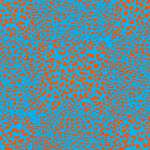
The Polyester Lycra fabric - Nairobi is an elastic fabric with a composition of 82% polyester and 18% elastane. This fabric has a weight of 270 gr/m2, a width of 150 cm, and is ideal for manufacturing sportswear, swimwear, and lingerie. The printed design on this fabric features a leopard ANIMAL PRINT, inspired by the NATURE of the jungle, with a smooth TEXTURE that gives it great realism and visual depth. The main colors of the design are Neon Blue, Basketball Orange, and Windows Blue. This combination of intense and vibrant colors makes it possible to combine it with solid colors such as white, black, navy blue, and orange. The fabric is printed on one side by digital textile printing.
The Polyester Lycra - Nairobi is a fabric with an elastic texture and feel, which is also chlorine-resistant and has a very high UV Protection Factor of 50+. These characteristics make it perfect for use in sportswear and swimwear, including bikinis, swimsuits, leggings/tights, and bathing suits. It is also ideal for manufacturing underwear and bodysuits. It is a timeless fabric that never goes out of style.
Regarding the necessary care to keep this fabric in good condition, it should be washed at a maximum of 40ºC without using bleach, it can be dry cleaned (except trichloroethylene), ironed at low temperature, and tumble drying is prohibited.
The printing technology used for the manufacturing of this fabric is sublimation, which allows the colors to penetrate the fibers of the fabric, making them more resistant to wear and tear and the passage of time. This printing technique is carried out by a thermal process to transfer the image to the fabric, which allows obtaining more vivid colors and greater sharpness in the details of the design.