Close
Click or press [Enter] to view the results
Trends


Printed Fabrics View articles
Telas en Colores Lisos View articles
Telas para Imprimir View articles
Trends
Printed Fabrics View articles
Telas en Colores Lisos View articles
Telas para Imprimir View articles


| Material: | 94% Polyester, 6% Elastane |
| Width (cm): | 150 |
| Grammage (g/m²): | 180 |
| Features: | Elastic, Granules |
| Application / Use: | Dresses, Monkeys, T-shirts, Tops, Skirts |
| Manufacturing Method: | Single-sided digital textile printing, all products are custom-made to order. |
| Care: |
     |
| Notices: |
En colores lisos y/o estampados este tejido puede blanquear si se abre en exceso, es ampliamente adquirido por nuestros clientes en productos textiles que no exigen grandes elongaciones. Recomendamos adquirir una muestra para validar que es la textura y acabado que busca. |
The base fabric is the Elastic Knit Crepe - Riga, composed of 94% polyester and 6% elastane, with a weight of 180 gr/m2 and a width of 150 cm. The plain printed color is Rosa Rosé Valle, with a CMYK of 24 76 56 17. The secondary pink color symbolizes sensitivity, romance, and tenderness, while its rosé tone gives it a fresh and modern look. This color primarily combines with blue, green, and gray, which provide balance and subtle contrasts.
It should be noted that the fabric is printed with the plain color on one side by digital textile printing, which allows for high definition in the details and nuances of the design. The texture and elasticity of the base fabric, combined with the granular and soft printed color, give the fabric a silky and elegant appearance.
Regarding applications and uses, the Elastic Knit Crepe - Riga is perfectly suited for making fashion garments for women and men, such as dresses, jumpsuits, t-shirts, tops, skirts, pants, cardigans, and knitwear, thanks to its high elasticity and soft drape. In addition, its timelessness makes it a versatile fabric for any time of the year.
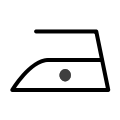
As for fabric care, it is recommended not to bleach it, wash it at a maximum temperature of 40ºC, and it can be dry cleaned except with trichloroethylene. Ironing should be at a cool temperature, and it can be tumble dried at a reduced temperature.
Regarding the printing technology used to manufacture this fabric, sublimation (polyester) is a process in which ink is printed on transfer paper and transferred to the fabric using pressure and heat, which allows the ink to penetrate the fibers of the fabric and achieve greater resistance to fading and wear.