Close
Click or press [Enter] to view the results
Trends


Printed Fabrics View articles
Telas en Colores Lisos View articles
Telas para Imprimir View articles
Trends
Printed Fabrics View articles
Telas en Colores Lisos View articles
Telas para Imprimir View articles


| Material: | 100% Polyester |
| Width (cm): | 150 |
| Grammage (g/m²): | 28 |
| Features: | Transparent, Thin |
| Application / Use: | Brides, Dresses, Sarong, Handkerchiefs, Dresses |
| Manufacturing Method: | Single-sided digital textile printing, all products are custom-made to order. |
| Care: |
     |
| Notices: |
Al ser un tejido vaporoso, en metrajes superiores a 5 metros, pueden presentarse pequeños pliegues en los extremos del tejido. |
The base fabric of this garment is Transparent Chiffon - Salamanca, composed of 100% polyester, with a weight of 28 gr/m2 and a width of 150 cm. The plain color printed on this fabric is an intense carmine red tone, with a CMYK combination of 0 95 67 0. This secondary color, with a predominance of magenta ink and its touches of yellow, is associated with passion, love, vitality, and sensitivity. This color combines well with more neutral tones such as white and black, but also with salmon, gold, and beige tones, which provide balance and harmony.
The fabric is printed with the plain color on one side by digital textile printing, which means that the design is printed only on one side of the fabric. Regarding its general characteristics, transparent chiffon stands out for its visually transparent texture and its delicate tactile texture. It is a soft and light fabric, ideal for making elegant and delicate garments. In addition, it is suitable for various applications, such as lingerie and bridal wear, womens and girls dresses, skirts, pareos, and accessories such as scarves.
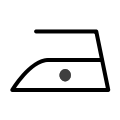
Regarding the care that should be taken for this garment, it is important not to bleach it and wash it at a maximum temperature of 30 degrees Celsius. It can be dry cleaned, except with trichloroethylene, and it is recommended to iron at a low temperature. It is not possible to tumble dry the fabric.
Finally, the printing technology used to manufacture this fabric is sublimation, which consists of printing the designs on transfer paper and then transferring them to the polyester through the application of heat and pressure. In this way, a high-quality print is achieved, with great color fidelity and durability over time.