Close
Trends


Printed Fabrics View articles
Telas en Colores Lisos View articles
Telas para Imprimir View articles
Trends
Printed Fabrics View articles
Telas en Colores Lisos View articles
Telas para Imprimir View articles


| Material: | 82% Polyester, 18% Elastane |
| Width (cm): | 150 |
| Grammage (g/m²): | 270 |
| Features: | Elastic, Chlorine Resistant, Very High UV Protection 50+ |
| Application / Use: | Body, Swimsuit, Bikinis, Jersey, Tights / Leggings |
| Manufacturing Method: | Single-sided digital textile printing, all products are custom-made to order. |
| Care: |
     |
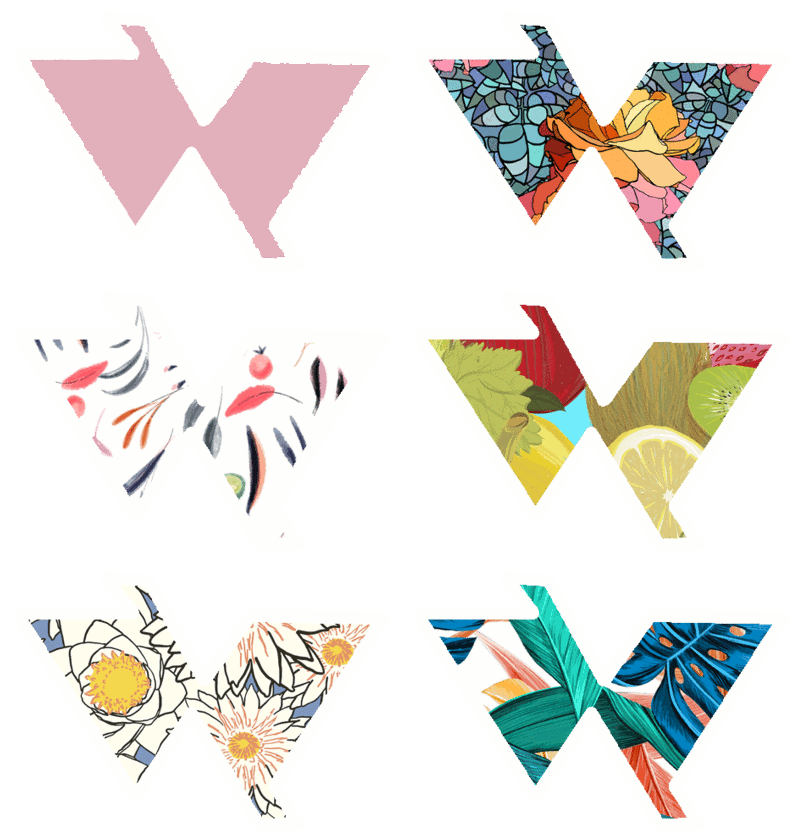
The base fabric is Polyester Lycra - Nairobi, 270 gr/m2, in a solid periwinkle pink color. The CMYK content of the solid color is 16 Cyan, 39 Magenta, 0 Yellow, and 0 Black. The periwinkle pink color can be described as a light and soft shade that evokes a sense of calm and tranquility, but also tenderness and delicacy. It pairs well with neutral colors like white, black, and gray, as well as other pastel shades like sky blue or mint green.
Its important to note that the fabric is printed with the solid color on one side using digital textile printing, meaning its not a dyed fabric but printed on one side. Regarding its general characteristics, the base fabric has an elastic texture and a chlorine-resistant finish, making it ideal for sports and swimwear applications. Additionally, it boasts a very high UPF (Ultraviolet Protection Factor) of 50+, making it a good choice for garments requiring sun protection.
In terms of applications and uses, in addition to those previously mentioned, the Polyester Lycra - Nairobi, 270 gr/m2, is ideal for making lingerie, bodysuits, and bikinis. Its elasticity and resistance make it perfect for form-fitting garments such as sports leggings. As for the season, it can be considered timeless, and its versatility allows for year-round use.
Regarding the necessary care for this fabric, its important to wash it at maximum temperatures of 40ºC and avoid using bleach. Its also recommended not to tumble dry and to iron at low temperatures. For cleaning, dry cleaning is permitted, except with trichloroethylene.
Finally, the printing technology used on this type of fabric is sublimation (polyester), which allows pigments to penetrate the surface of the fabric fibers, ensuring high print quality and that the print will not fade or crack over time.