Close
Click or press [Enter] to view the results
Trends


Printed Fabrics View articles
Telas en Colores Lisos View articles
Telas para Imprimir View articles
Trends
Printed Fabrics View articles
Telas en Colores Lisos View articles
Telas para Imprimir View articles


| Material: | 82% Polyester, 18% Elastane |
| Width (cm): | 150 |
| Grammage (g/m²): | 270 |
| Features: | Elastic, Chlorine Resistant, Very High UV Protection 50+ |
| Application / Use: | Body, Swimsuit, Bikinis, Jersey, Tights / Leggings |
| Manufacturing Method: | Single-sided digital textile printing, all products are custom-made to order. |
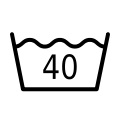
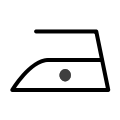
| Care: |
     |
The base fabric is Polyester Lycra - Nairobi, 270 gr/m2, with a composition of 82% polyester and 18% elastane. The plain printed color is vanilla yellow, with a cyan ink of 3, magenta of 8, yellow of 32, and black of 0, which is equivalent to a CMYK of 3 8 32 0. As for its secondary color, vanilla yellow is a soft and sweet tone that resembles vanilla, combining well with neutral and classic colors like black, white, and gray, as well as pastel shades like pink and light blue.
It is worth noting that the fabric is printed with the plain color on one side using digital textile printing, which provides high definition and a wide variety of colors. In general, Polyester Lycra - Nairobi, 270 gr/m2, is characterized by being elastic, chlorine-resistant, and having a very high UV protection factor of 50+. Additionally, its texture is soft and pleasant to the touch.
Regarding the applications or uses of the fabric, it is commonly used in the manufacture of lingerie, sportswear such as bikinis, swimsuits, leotards, and leggings, as well as in swimwear fashion. Thanks to its elasticity and recovery capacity, it easily adapts to body shapes, making it ideal for tight-fitting and high-mobility garments.
For the care of the fabric, it is important to consider some recommendations such as not bleaching, washing at a maximum temperature of 40ºC, and not tumble drying. Likewise, it is recommended to iron at low temperature and dry clean except with trichloroethylene, which will extend its useful life.
Sublimation printing technology is used to manufacture this type of fabric. In this process, a special ink is used that turns into gas when heated, which penetrates the fabric fibers, creating a durable and wash-resistant print. This process also allows for high definition and a wide variety of colors, making it ideal for printing complex and detailed designs.