Close
Click or press [Enter] to view the results
Trends


Printed Fabrics View articles
Telas en Colores Lisos View articles
Telas para Imprimir View articles
Trends
Printed Fabrics View articles
Telas en Colores Lisos View articles
Telas para Imprimir View articles


| Material: | 85% Polyester, 15% Elastane |
| Width (cm): | 150 |
| Grammage (g/m²): | 190 |
| Features: | Soft, Elastic, Chlorine Resistant, Very High UV Protection 50+ |
| Application / Use: | Scrunchie, Scrunchies, Bikinis, Swimsuit, Swimsuit |
| Sustainability certificates: | GRS |
| Manufacturing Method: | Single-sided digital textile printing, all products are custom-made to order. |
| Care: |
     |
The base fabric is Recycled Lycra, with a weight of 190 gr/m2 and a composition of 85% polyester and 15% elastane. This fabric is chlorine resistant and has a very high UV protection factor of 50+, which makes it ideal for use in swimwear and sportswear. The fabric has a soft and elastic texture, which makes it very comfortable to the touch.
The secondary color of the solid print is a Fuzzy Wuzzy red, which has a CMYK of 24 66 49 16. This shade of red evokes a feeling of passion and energy, making it a popular choice for swimwear and sportswear. In addition, this color combines well with neutral tones such as black and white, as well as with more vivid tones such as pink and orange.
It is important to note that the fabric is printed with the solid color on one side by digital textile printing, which means that there is no uniform color saturation in the fabric and there may be a slight variation of shades in different parts of the fabric.
Among the attributes of the base fabric, the applications and uses in swimwear, bikinis, swimsuits, and scrunchies stand out. In addition, due to its soft and elastic texture, it is also an ideal fabric for leggings and sports pants.
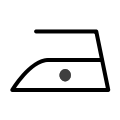
It is important to consider the care instructions for this type of fabric, which include not bleaching, washing at maximum temperatures of 40ºC, ironing at a cold temperature, and not tumble drying.
The printing technology used to manufacture this fabric is sublimation, which consists of printing the design on an ink transfer film and then transferring it to the fabric using heat and pressure. This process allows for greater printing precision and greater resistance to washing and wear compared to other printing methods.