Close
Click or press [Enter] to view the results
Trends


Printed Fabrics View articles
Telas en Colores Lisos View articles
Telas para Imprimir View articles
Trends
Printed Fabrics View articles
Telas en Colores Lisos View articles
Telas para Imprimir View articles


| Material: | 85% Polyester, 15% Elastane |
| Width (cm): | 150 |
| Grammage (g/m²): | 190 |
| Features: | Soft, Elastic, Chlorine Resistant, Very High UV Protection 50+ |
| Application / Use: | Scrunchie, Scrunchies, Bikinis, Swimsuit, Swimsuit |
| Sustainability certificates: | GRS |
| Manufacturing Method: | Single-sided digital textile printing, all products are custom-made to order. |
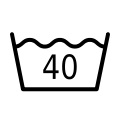
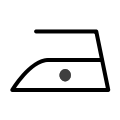
| Care: |
     |
The base fabric is a 190 gr/m2 Recycled Lycra in a sepia-brown color, according to the CMYK content (45 53 58 50) of the solid color. This secondary color is characterized by its warm, earthy tone, which evokes nature and is associated with warmth, stability, and trust. In addition, this shade perfectly complements colors such as white, black, and a wide variety of green and yellow tones.
The fabric is printed with the solid color on one side by digital textile printing, which guarantees its high quality and sharpness. It is also important to note that this type of fabric is not dyed, but printed on one side.
The general characteristics of the base fabric include a soft and elastic texture, which makes it perfect for swimwear and sportswear. It also has a chlorine-resistant finish and offers very high UV protection, making it a safe and durable option for outdoor activities and water sports.
Regarding applications and uses, according to the attributes of the base fabric, the following are specified: scrunchies, bikinis, and swimsuits. However, the versatility of this fabric is not limited to these uses, as it is also suitable for fashion garments and other high-performance accessories.
To maintain the quality of the fabric, it is essential to follow certain care instructions. It is crucial to avoid direct exposure to sunlight and hand wash in warm water with neutral soap. Likewise, it should not be exposed to temperatures above 40ºC, nor should it be dry cleaned or tumble dried.
The printing technology used to manufacture this fabric is known as sublimation (polyester). This ink transfer process allows for the reproduction of high-quality images and designs that are durable and resistant to fading, thanks to the sublimation of pigments inside the fabric.