Close
Click or press [Enter] to view the results
Trends


Printed Fabrics View articles
Telas en Colores Lisos View articles
Telas para Imprimir View articles
Trends
Printed Fabrics View articles
Telas en Colores Lisos View articles
Telas para Imprimir View articles


| Material: | 85% Polyester, 15% Elastane |
| Width (cm): | 150 |
| Grammage (g/m²): | 190 |
| Features: | Soft, Elastic, Chlorine Resistant, Very High UV Protection 50+ |
| Application / Use: | Scrunchie, Scrunchies, Bikinis, Swimsuit, Swimsuit |
| Sustainability certificates: | GRS |
| Manufacturing Method: | Single-sided digital textile printing, all products are custom-made to order. |
| Care: |
     |
The base fabric is Recycled Lycra - Recycled, weighing 190 gr/m2, composed of 85% POLYESTER and 15% ELASTANE, with a grammage of 190 gr/m2 and a width of 150 cm. The solid printed color is Yellow-Beige with a CMYK of 9 14 47 0. This color is a perfect combination of the vibrancy of yellow and the softness of beige, ideal for creating striking yet elegant clothing pieces. It pairs very well with dark tones such as black or navy blue, and also with pastel tones like pink or sky blue.
It is important to note that the base fabric is printed with the solid color on one side using digital textile printing, which means it is not a dyed fabric but printed on one side. Regarding its general characteristics, the base fabric is soft to the touch and elastic, making it perfect for form-fitting garments. In addition, it has chlorine-resistant finishes and very high UV protection 50+.
In terms of applications and uses, the base fabric is very versatile and is mainly used in swimwear and sportswear such as bikinis and swimsuits, as well as in hair ties and scrunchies. It is also used in the production of fashion garments such as dresses and skirts.
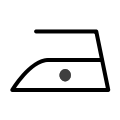
It is important to consider some care instructions for the fabric, such as not bleaching, washing at a maximum temperature of 40ºC, not dry cleaning, ironing at a cool temperature, and avoiding tumble drying.
The printing technology used to manufacture this fabric is sublimation (polyester). This technology allows for the printing of designs with great quality and sharpness, without affecting the properties of the base fabric such as elasticity and softness. Furthermore, it is a more sustainable and environmentally friendly technique compared to other printing techniques.