Close
Click or press [Enter] to view the results
Trends


Printed Fabrics View articles
Telas en Colores Lisos View articles
Telas para Imprimir View articles
Trends
Printed Fabrics View articles
Telas en Colores Lisos View articles
Telas para Imprimir View articles


| Material: | 75% Polyester, 25% Elastane |
| Width (cm): | 150 |
| Grammage (g/m²): | 230 |
| Features: | Elastic, Chlorine Resistant, Very High UV Protection 50+ |
| Application / Use: | Body, Bikinis, Swimsuit, Jersey, Tights / Leggings |
| Sustainability certificates: | GRS |
| Manufacturing Method: | Single-sided digital textile printing, all products are custom-made to order. |
| Care: |
     |
The base fabric is Recycled Lycra - Seal of 230 gr/m2, composed of 75% polyester and 25% elastane, with a grammage of 230 gr/m2 and a width of 150 cm. The plain printed color is Orange-Ochre with a CMYK ink composition of 5 11 60 0. This primary color denotes energy and vitality, symbolizing creativity and adventure in orange and warmth and stability in ochre. This color combines perfectly with neutral tones such as gray or white, as well as with other vibrant colors such as yellow or green.
The fabric is printed with the plain color on one side by digital textile printing, which means it is not a dyed fabric but printed on one side. Its general characteristics include a soft and elastic texture, a chlorine-resistant finish, and very high UV protection 50+. In addition, this fabric is sustainable, as it is produced with recycled materials and has GRS certification.
Among the applications and uses of this fabric are lingerie, sportswear such as bikinis, swimsuits, leotards, and leggings, as well as swimwear for men, women, and children. These applications are due to its elastic, durable, and chlorine-resistant characteristics. In addition, its UV protection makes it ideal for summer garments.
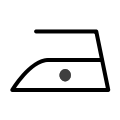
Care instructions for this fabric include no bleaching, machine wash at a maximum temperature of 40ºC, cool ironing, and no tumble drying. In addition, the garment is not suitable for dry cleaning.
Finally, the printing technology used to manufacture this fabric is polyester sublimation, which involves applying heat and pressure to transfer the ink to the fabric, creating a durable and vibrant design. This process is environmentally friendly, as it uses no water and produces no polluting emissions.