Close
Click or press [Enter] to view the results
Trends


Printed Fabrics View articles
Telas en Colores Lisos View articles
Telas para Imprimir View articles
Trends
Printed Fabrics View articles
Telas en Colores Lisos View articles
Telas para Imprimir View articles


| Material: | 75% Polyester, 25% Elastane |
| Width (cm): | 150 |
| Grammage (g/m²): | 230 |
| Features: | Elastic, Chlorine Resistant, Very High UV Protection 50+ |
| Application / Use: | Body, Bikinis, Swimsuit, Jersey, Tights / Leggings |
| Sustainability certificates: | GRS |
| Manufacturing Method: | Single-sided digital textile printing, all products are custom-made to order. |
| Care: |
     |
The base fabric is Recycled Lycra - Seal of 230 gr/m2, composed of 75% POLYESTER and 25% ELASTANE. Its plain printed color is cinnamon brown with a CMYK of 22 44 81 11. This color has a warm and earthy presence that evokes elegance and inspiration from nature. Combined with white, beige, or light grey, it creates a soft and harmonious chromatic contrast. The fabric is digitally printed on one side.
Regarding general characteristics, the fabric is elastic, chlorine resistant, and has a very high UV Protection Factor of 50+. These attributes make the fabric ideal for lingerie, sportswear, and swimwear. It is also perfect for creating tights or leggings, as it adapts perfectly to the body and allows great freedom of movement. In addition, the fabric is GRS certified, which means it is sustainable and made with recycled materials.
The applications and uses of this fabric are diverse, and its versatility is one of its greatest attributes. In addition to lingerie and sportswear, it is also perfect for swimwear such as swimsuits and bikinis. Its stretch capacity makes it ideal for garments that require greater flexibility and adaptability to the body.
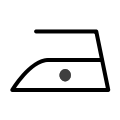
Regarding care, the fabric does not allow bleach, dry cleaning, or tumble drying. It is recommended to wash at a maximum temperature of 40ºC and iron at a cool temperature.
The printing technology used to create this fabric is sublimation, which is a textile printing process that uses specialized ink and extreme heat to print high-density inks onto the fabric. The ink turns into gas and binds with the fibers of the fabric, creating a durable image resistant to fading and wear. Digital textile printing is an environmentally friendly technique and allows for the creation of personalized and unique designs on the fabric.