Close
Click or press [Enter] to view the results
Trends


Printed Fabrics View articles
Telas en Colores Lisos View articles
Telas para Imprimir View articles
Trends
Printed Fabrics View articles
Telas en Colores Lisos View articles
Telas para Imprimir View articles


| Material: | 75% Polyester, 25% Elastane |
| Width (cm): | 150 |
| Grammage (g/m²): | 230 |
| Features: | Elastic, Chlorine Resistant, Very High UV Protection 50+ |
| Application / Use: | Body, Bikinis, Swimsuit, Jersey, Tights / Leggings |
| Sustainability certificates: | GRS |
| Manufacturing Method: | Single-sided digital textile printing, all products are custom-made to order. |
| Care: |
     |
The base fabric, Recycled Lycra - Seal of 230 gr/m2, stands out for its composition of 75% polyester and 25% elastane, making it an elastic and comfortable fabric to the touch. The solid printed color is Tiger Yellow, which is obtained by combining 0% cyan ink, 13% magenta ink, 59% yellow ink, and 0% black ink, reflecting a vibrant and characteristic color. This primary color provides a sense of vitality and energy, making it ideal for fun styles. Additionally, we can combine this color with other warm tones to achieve a harmonious look.
It is important to note that this fabric is printed with the solid color on one side by digital textile printing, which means it is not a dyed fabric but printed on one side, offering a quality finish.
Regarding the general characteristics of the base fabric, its texture, feel, and elasticity stand out, making it ideal for garments that require body fit. It has a chlorine-resistant finish, making it ideal for swimwear, as well as a Very High UV protection factor 50+, guaranteeing protection during outdoor use.
In terms of applications and uses, this fabric stands out in swimwear, lingerie, and sportswear, such as tights, leggings, leotards, bikinis, and swimsuits. Its use can also be useful in making fitted garments or bodysuits.
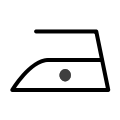
It is important to keep in mind for care: do not bleach, a maximum temperature of 40ºC, and ironing at a cool temperature. The garment is not suitable for dry cleaning and cannot be tumble dried.
The fabric is manufactured with sublimation printing technology, using a digital printing technique in which it is printed directly onto the fabric through a sublimation process. In this process, a specialized printer is used to print on transfer paper and then transfer it to the recycled fabric using heat and pressure. This form of printing guarantees exceptional image quality, great durability in the fabric, and allows for the creation of complex, detailed, and high-resolution designs.