Close
Click or press [Enter] to view the results
Trends


Printed Fabrics View articles
Telas en Colores Lisos View articles
Telas para Imprimir View articles
Trends
Printed Fabrics View articles
Telas en Colores Lisos View articles
Telas para Imprimir View articles


| Material: | 75% Polyester, 25% Elastane |
| Width (cm): | 150 |
| Grammage (g/m²): | 230 |
| Features: | Elastic, Chlorine Resistant, Very High UV Protection 50+ |
| Application / Use: | Body, Bikinis, Swimsuit, Jersey, Tights / Leggings |
| Sustainability certificates: | GRS |
| Manufacturing Method: | Single-sided digital textile printing, all products are custom-made to order. |
| Care: |
     |
The base fabric is Recycled Lycra - Seal of 230 gr/m2, composed of 75% polyester and 25% elastane. The plain printed color is a vibrant Halloween orange, with a CMYK content of 16 66 89 5, combining yellow and magenta with touches of cyan and black. This fabric is printed with this plain color on one side using digital textile printing. Recycled Lycra - Seal is an elastic, resistant fabric with a very high UV protection factor, making it ideal for lingerie, sportswear, or swimwear.
In addition to Halloween orange, the printed color, this base fabric combines perfectly with neutral tones such as white and black, as well as with more daring shades such as fuchsia pink or lime green. This fabric is suitable for various applications, such as lingerie, bikinis, swimsuits, tights, leggings, or leotards for men, women, and children. This wide variety of uses is possible thanks to the elasticity and resistance of the fabric.
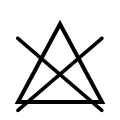
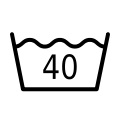
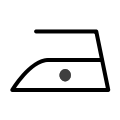
It is important to note that this fabric requires specific care to maintain its quality, such as not bleaching, washing at a maximum temperature of 40 °C, not dry cleaning, ironing at a cool temperature, and not tumble drying. With these care instructions, Recycled Lycra - Seal will maintain its characteristics and attributes intact for longer.
The printing technology used to manufacture this fabric is sublimation, which uses special inks that turn into gas when heat and pressure are applied, penetrating the fabric fibers and providing sharp, durable image quality. Digital textile printing is a more sustainable process than traditional printing, as it does not require the use of large amounts of water or toxic inks in its production.