Close
Click or press [Enter] to view the results
Trends


Printed Fabrics View articles
Telas en Colores Lisos View articles
Telas para Imprimir View articles
Trends
Printed Fabrics View articles
Telas en Colores Lisos View articles
Telas para Imprimir View articles


| Material: | 75% Polyester, 25% Elastane |
| Width (cm): | 150 |
| Grammage (g/m²): | 230 |
| Features: | Elastic, Chlorine Resistant, Very High UV Protection 50+ |
| Application / Use: | Body, Bikinis, Swimsuit, Jersey, Tights / Leggings |
| Sustainability certificates: | GRS |
| Manufacturing Method: | Single-sided digital textile printing, all products are custom-made to order. |
| Care: |
     |
The base fabric is Recycled Lycra - Seal of 230 gr/m2, a lycra composed of 75% POLYESTER and 25% ELASTANE, with a weight of 230 gr/m2 and a width of 150 cm. The plain printed color is a Rubicund Red, with a CMYK of 0 95 76 0. This color is intense and vibrant, conveying energy and passion. It combines especially well with white, black, gray, and dark blue colors.
The fabric is printed with the plain color on one side by digital textile printing, which means that the fabric has not been dyed, but has been printed only once on its surface. This printing technique allows for high definition and color fidelity on the fabric.
Recycled Lycra - Seal of 230 gr/m2 has an elastic and soft texture to the touch. In addition, it has special finishes that make it chlorine resistant and give it a Very High UV Protection Factor 50+. This makes it ideal for lingerie, swimwear such as bikinis and swimsuits, as well as for sportswear such as leggings and tights.
It is a sustainable fabric, certified by GRS (Global Recycle Standard), which guarantees that it meets rigorous waste management and recycling standards. In addition, its recycled composition contributes to the reduction of environmental impacts.
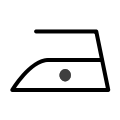
To keep this fabric in good condition, it is recommended not to bleach, wash at a maximum temperature of 40ºC, do not dry clean, iron at a cool temperature, and do not tumble dry.
The printing technology used to manufacture this fabric is called sublimation (polyester). It consists of printing an image or design on treated paper, which is then transferred to the fabric during the heating process. In this way, a high-quality and durable finish is achieved.