Close
Click or press [Enter] to view the results
Trends


Printed Fabrics View articles
Telas en Colores Lisos View articles
Telas para Imprimir View articles
Trends
Printed Fabrics View articles
Telas en Colores Lisos View articles
Telas para Imprimir View articles


| Material: | 100% Polyester |
| Width (cm): | 147 |
| Grammage (g/m²): | 110 |
| Features: | Thin, Rigid, Soft |
| Application / Use: | Handbags, Bermuda, Wallets, Swimsuit, Swimsuit |
| Sustainability certificates: | GRS |
| Manufacturing Method: | Single-sided digital textile printing, all products are custom-made to order. |
| Care: |
     |
The base fabric for this textile is Recycled Microfiber - Biarritz, a 100% polyester microfiber with a weight of 110 gr/m2 and a width of 147 cm. This fabric features a solid straw yellow color, printed with sublimation technology with a CMYK of 15 8 66 0. This secondary straw yellow color can be described as a light yellow hue with a soft golden undertone. When combined with other colors, this shade works very well with neutral tones such as white, gray, and black, as well as with brown, green, orange, and pink tones.
It is important to note that this fabric is printed with the solid color on one side only using digital textile printing, which means it is a fabric that is not dyed but printed on one side. In terms of general characteristics, the texture is soft to the touch but firm, making it perfect for swimwear, sportswear, and accessories. Additionally, it is a thin yet resistant fabric, which makes it suitable for light and soft garments.
The most common applications and uses for this type of fabric include fashion, accessories, bags, swimwear, and sportswear. Due to its resistance and soft texture, it is also ideal for shorts, wallets, and swimsuits.
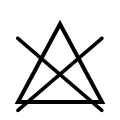
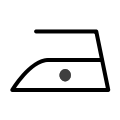
Regarding care, avoid using bleach and do not wash it at more than 30ºC. Dry cleaning is recommended, with the exception of trichloroethylene, as well as ironing at a cool temperature and avoiding tumble drying.
Finally, the printing technology used to manufacture this fabric is sublimation, which allows for printing vibrant and wash-resistant patterns, designs, and colors. This process involves printing the design on specialized transfer paper and then applying heat and pressure to the fabric, which allows the colors to become part of the polyester fiber.