Close
Click or press [Enter] to view the results
Trends


Printed Fabrics View articles
Telas en Colores Lisos View articles
Telas para Imprimir View articles
Trends
Printed Fabrics View articles
Telas en Colores Lisos View articles
Telas para Imprimir View articles


| Material: | 100% Polyester |
| Width (cm): | 147 |
| Grammage (g/m²): | 110 |
| Features: | Thin, Rigid, Soft |
| Application / Use: | Handbags, Bermuda, Wallets, Swimsuit, Swimsuit |
| Sustainability certificates: | GRS |
| Manufacturing Method: | Single-sided digital textile printing, all products are custom-made to order. |
| Care: |
     |
The base fabric is Recycled Microfiber - Biarritz, composed of 100% polyester, with a weight of 110 gr/m2 and a width of 147 cm. The solid printed color is Ivy Green, with a Cyan ink of 57, Magenta of 26, Yellow of 57, and Black of 8, which corresponds to a CMYK of 57 26 57 8. This shade represents nature and balance, evoking freshness and warmth at the same time. Ivy green combines especially well with golden, brown, and terracotta tones, as well as sand beige and cream tones. It is important to note that the fabric is printed with the solid color on one side by digital textile printing, which means it is not a dyed fabric but printed on one side.
The base fabric has a soft texture to the touch and a thin consistency, which allows it to be used in clothing and bags, both for fashion and for sports and swimwear. In addition, this fabric is characterized by being sustainable thanks to its GRS certification, as its composition is made from recycled materials. As for the season of use, the fabric is timeless and its printing technology is sublimation (polyester).
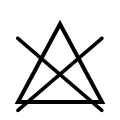
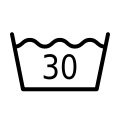
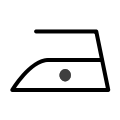
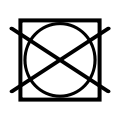
It is essential to take certain care of the fabric to prolong its durability. It is recommended not to bleach and wash at a maximum temperature of 30ºC. It allows dry cleaning except trichloroethylene, iron at cool temperature and cannot be tumble dried.
Regarding its printing technology, sublimation consists of transferring ink from paper to fabric using pressure and heat, which results in high quality and durability in printing. When using this technique, the ink turns into vapor and is introduced into the fibers of the fabric to form the design. This process ensures greater precision in the printing details and allows a greater variety of designs and color combinations.