Close
Click or press [Enter] to view the results
Trends


Printed Fabrics View articles
Telas en Colores Lisos View articles
Telas para Imprimir View articles
Trends
Printed Fabrics View articles
Telas en Colores Lisos View articles
Telas para Imprimir View articles


| Material: | 85% Polyester, 12% Polyamide, 3% Elastane |
| Width (cm): | 150 |
| Grammage (g/m²): | 280 |
| Features: | Soft |
| Application / Use: | Chairs, Armchairs, Pants, Overshirts, Cushions |
| Manufacturing Method: | Single-sided digital textile printing, all products are custom-made to order. |
| Care: |
      |
| Notices: |
IMPORTANTE: plazo de recepción de tela base previsto para el 15 de Febrero, todos los pedidos previos de Enero y Febrero se expedirán a partir de esa fecha. |
The base fabric is Velvety Corduroy - Dublin, composed of 85% POLYESTER, 12% POLYAMIDE, and 3% ELASTANE, with a weight of 280 gr/m2. The plain printed color is Brown-Ochre Yellow, with a CYMK ink mixture of 28 49 100 22, which adds a visual shine to the silky and soft texture of the fabric. It combines especially well with earth tones and neutral shades, bringing warmth to any environment.
It is important to note that this fabric is printed with a plain color on one side using digital textile printing, which gives it great resistance and durability. Regarding its general characteristics, velvety corduroy is perfect for upholstery and decoration due to its great wear resistance, in addition to being a soft and warm material for making fashion garments.
Among the applications and uses of this fabric, we highlight its use in upholstery for different types of furniture, such as chairs, armchairs, or sofas, as well as its use in making pants, overshirts, or jackets and accessories such as bags or backpacks. Additionally, this fabric is ideal for making cushions in different rooms of the home, whether in the living room or in the kitchen.
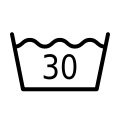
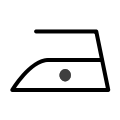
Regarding the care of the fabric, it is recommended not to bleach it and to wash it at a maximum temperature of 30ºC. Although dry cleaning is allowed, it is not advisable to use trichloroethylene, and if ironing, it should be done at a cool temperature. Finally, it should not be tumble dried.
The printing technology used to manufacture this fabric is sublimation (polyester), which allows a high-resolution design to be printed on the face of the fabric without affecting its texture and softness. This printing technique involves heating the ink to its evaporation point, permanently penetrating the fabrics fibers, which ensures that the color does not fade over time.