Close
Click or press [Enter] to view the results
Trends


Printed Fabrics View articles
Telas en Colores Lisos View articles
Telas para Imprimir View articles
Trends
Printed Fabrics View articles
Telas en Colores Lisos View articles
Telas para Imprimir View articles


| Material: | 97% Polyester, 3% Elastane |
| Width (cm): | 150 |
| Grammage (g/m²): | 282 |
| Features: | Soft |
| Application / Use: | Knitwear, Tops, T-shirts, Pants, Dresses |
| Manufacturing Method: | Single-sided digital textile printing, all products are custom-made to order. |
| Care: |
     |
The base fabric is the Punto Roma Elástico - Lyon, a knitted fabric composed of 97% polyester and 3% elastane, with a weight of 282 gr/m2 and a width of 150 cm. The solid printed color is a solid yellow with a CMYK of 3 2 88 0, which means that yellow inks predominate with a small percentage of cyan and magenta, and no black color present. This tone symbolizes happiness, energy, and creativity. It combines especially well with blue and green tones, but can also be complemented with reds and pinks.
It should be noted that the base fabric is printed with the solid color on one side by digital textile printing, which means that it is not a dyed fabric but printed on one side. This technique allows for greater precision in printing and a greater variety of designs.
Regarding its general characteristics, the base fabric has a soft texture to the touch, offering great comfort and flexibility. In addition, the printed color ensures a uniform appearance and resistance to washing, thanks to the sublimation technology used.
Among the most common applications and uses of this fabric are fashion garments for women and men such as tops, t-shirts, pants, dresses and sweaters, as well as napkins for the home. It also adapts to the winter season as its weight provides greater warmth.
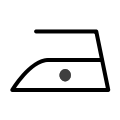
It is important to note that the fabric should be hand washed or machine washed at a maximum temperature of 30°C, without being bleached or tumble dried. In addition, dry cleaning is recommended except with trichloroethylene and ironing at a cool temperature.
Finally, the printing technology used to manufacture this fabric is sublimation, which consists of transferring ink from paper to fabric using heat and pressure. This process allows the ink to adhere perfectly to the fabric surface, providing greater resistance to washing and abrasion.