Close
Click or press [Enter] to view the results
Trends


Printed Fabrics View articles
Telas en Colores Lisos View articles
Telas para Imprimir View articles
Trends
Printed Fabrics View articles
Telas en Colores Lisos View articles
Telas para Imprimir View articles


| Material: | 97% Polyester, 3% Elastane |
| Width (cm): | 150 |
| Grammage (g/m²): | 209 |
| Features: | Wrinkled, Elastic, Soft |
| Application / Use: | Pants, Cloths, Skirts, Jeans, Shorts |
| Manufacturing Method: | Single-sided digital textile printing, all products are custom-made to order. |
| Care: |
     |
The base fabric of this textile is the Bi-elastic Twill - Lisbon, with a composition of 97% POLYESTER and 3% ELASTANE, with a weight of 209 gr/m2 and a width of 150 cm. The plain printed color is Glazed Brown, with a CMYK of 52 49 42 31. This color is a soft and elegant tone, with a brown hue that brings warmth to the fabric. It combines especially well with earth tones, beige, and light grays.
The fabric is printed with the plain color on one side using digital textile printing, which allows for a wide variety of designs and finishes. The general characteristics of the base fabric include a rough and elastic texture, with a soft and pleasant feel. The elastic properties of the fabric make it perfect for fitted and comfortable garments, such as pants or skirts.
Among its applications and uses, it stands out for fashion garments for men and women, accessories, kitchen towels, cushions, napkins, and outdoor decoration. The versatility of the fabric allows its use in different areas, especially in the home and in womens fashion.
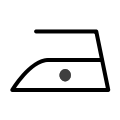
Regarding care, it is recommended not to bleach, wash at a maximum temperature of 30ºC, and not to use a tumble dryer. The fabric allows dry cleaning except with trichloroethylene and needs ironing at a low temperature.
The printing technology used in this fabric is sublimation, which allows for durable and uniform color fixation on the fabric. The printing is done on a polyester base that ensures high image quality and great precision in details. Digital textile printing is a modern and sustainable technique that reduces water and energy consumption in fabric manufacturing, and allows for more efficient and environmentally friendly production.