Close
Click or press [Enter] to view the results
Trends


Printed Fabrics View articles
Telas en Colores Lisos View articles
Telas para Imprimir View articles
Trends
Printed Fabrics View articles
Telas en Colores Lisos View articles
Telas para Imprimir View articles


Elige colores lisos a juego con tu estampado favorito. ¡Selecciona aquí alguno de los colores principales!
| Material: | 82% Polyester, 18% Elastane |
| Width (cm): | 150 |
| Grammage (g/m²): | 270 |
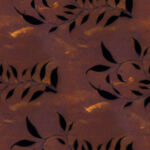
| Pattern: | Decorative, Leaves, Branches, Dark |
| Features: | Elastic, Chlorine Resistant, Very High UV Protection 50+ |
| Application / Use: | Body, Swimsuit, Bikinis, Jersey, Tights / Leggings |
| Manufacturing Method: | Single-sided digital textile printing, all products are custom-made to order. |
| Care: |
     |
The Polyester Lycra fabric with the Nairobi print is an elastic and resistant fabric, with a weight of 270 gr/m2 and a composition of 82% polyester and 18% elastane. The printed design is characterized by being decorative with plant and leaf motifs in bakers brown, blood brown, and sepia brown tones, making it ideal for fashion projects and for sports and swimwear. Additionally, this design could be combined with solid colors in beige, green, or black tones.
The fabric printed with the single-sided digital textile print design has an elastic yet chlorine-resistant texture, making it ideal for swimwear and activewear that require greater resistance. It also has a very high UV protection factor (50+) which makes it suitable for garments intended for outdoor activities. Among the most common applications and uses for this type of fabric are lingerie, sportswear, swimsuits, bikinis, leotards, and sports leggings.
It is important to note that this fabric requires certain care to prevent deterioration. First, it should not be bleached, and it is recommended to wash at no more than 40ºC. Although dry cleaning is allowed, trichloroethylene should not be used. Ironing should be at a low temperature and it cannot be tumble dried.
The printing technology used for the manufacture of this fabric is sublimation, which allows for high-quality transfer of the design colors onto the fabric surface using heat and pressure. The quality and durability of the print depend on the quality of the fabric used, so it is important to choose an appropriate fabric for the project being carried out.