Close
Click or press [Enter] to view the results
Trends


Printed Fabrics View articles
Telas en Colores Lisos View articles
Telas para Imprimir View articles
Trends
Printed Fabrics View articles
Telas en Colores Lisos View articles
Telas para Imprimir View articles


Elige colores lisos a juego con tu estampado favorito. ¡Selecciona aquí alguno de los colores principales!
| Material: | 93% Polyester, 7% Elastomer |
| Width (cm): | 145 |
| Grammage (g/m²): | 145 |
| Pattern: | Simple, Photography, Architecture, Brick, Light |
| Features: | Soft, Smooth |
| Application / Use: | Bermuda, Shirts, Clothespin Bag, Cushions, Swimsuit |
| Sustainability certificates: | GRS |
| Manufacturing Method: | Single-sided digital textile printing, all products are custom-made to order. |
| Care: |
    |
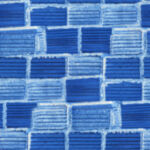
The Recycled Sportswear Polyester Fabric - Basic is a 145 gr/m2 fabric weighing 145 gr/m2 with a composition of 93% polyester and 7% elastomer. With a width of 145 cm, it is a fabric with a soft and smooth texture to the touch. Its printed design stands out for its simplicity and is inspired by photography and architecture. The shapes of the print are based on bricks and the main colors are multicolored, which makes it a very versatile design that can be combined with different plain color shades. It should be noted that the fabric is printed with the printed design on one side by digital textile printing.
Regarding the general characteristics of the fabric and the design, its sublimation printing technology provides vivid and durable colors, offering excellent image quality. In addition, its GRS certification and its sustainability as a recycled polyester fabric add ecological value to its production.
As for applications and uses, the Recycled Sportswear Polyester Fabric - Basic can be used for making sportswear, swimsuits, and Bermuda shorts. In the case of sportswear, its elasticity and comfort make it ideal for shirts and leggings, for men, women, and children alike.
For the care of this fabric, it is important to note that it should not be bleached, the maximum washing temperature is 40ºC, and it should be ironed at a cool temperature and not tumble dried.
Regarding the printing technology used for the manufacture of this fabric, sublimation is a process in which pigments are converted into gas by heat and pressure, creating a durable and fade-resistant image. This process can only be applied to polyester fabrics due to the chemical reaction that occurs between the pigments and the fabric.