Close
Click or press [Enter] to view the results
Trends


Printed Fabrics View articles
Telas en Colores Lisos View articles
Telas para Imprimir View articles
Trends
Printed Fabrics View articles
Telas en Colores Lisos View articles
Telas para Imprimir View articles


Elige colores lisos a juego con tu estampado favorito. ¡Selecciona aquí alguno de los colores principales!
| Material: | 75% Polyester, 25% Elastane |
| Width (cm): | 150 |
| Grammage (g/m²): | 230 |
| Pattern: | Simple, Photography, Popcorn, Light |
| Features: | Elastic, Chlorine Resistant, Very High UV Protection 50+ |
| Application / Use: | Body, Bikinis, Swimsuit, Jersey, Tights / Leggings |
| Sustainability certificates: | GRS |
| Manufacturing Method: | Single-sided digital textile printing, all products are custom-made to order. |
| Care: |
     |
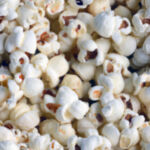
The Recycled Lycra Fabric - Seal is a stretchy fabric with a weight of 230 gr/m2 and a width of 150 cm. Its composition is 75% polyester and 25% elastane, which provides a soft and elastic feel, ideal for lingerie, sportswear, swimwear, or bikinis, for women, men, or children. Its GRS certification and recycled sustainability give it added value. This fabric is printed with a single-sided design using digital textile printing, where multi-colors and a gastronomic popcorn theme predominate, with a photographic style and a simple complexity. It combines wonderfully with solid colors in pastel tones, light blues, grays, and blacks.
Regarding general characteristics, the Recycled Lycra Fabric - Seal is chlorine-resistant and protects from UV rays with a very high protection factor of 50+. Its texture is soft and elastic, making it comfortable and pleasant to the touch. The printed design adds a fun and original touch to garments made with this fabric.
The applications and uses of this fabric are varied and extend from lingerie and intimate apparel to sportswear, swimwear, or bikinis. It is also ideal for making tights, leggings, and sports leotards. Its versatility makes it suitable for any season of the year.
For the care of the Recycled Lycra Fabric - Seal, it is recommended not to bleach, wash at a maximum temperature of 40 degrees, do not dry clean, iron at a cool temperature, and do not tumble dry.
The printing technology used in the manufacture of this fabric is polyester sublimation. This printing process allows the design to penetrate the fabric fibers, providing high image quality and durability. It is an environmentally friendly process, as it does not use water and the chemicals used are minimal.