Close
Click or press [Enter] to view the results
Trends


Printed Fabrics View articles
Telas en Colores Lisos View articles
Telas para Imprimir View articles
Trends
Printed Fabrics View articles
Telas en Colores Lisos View articles
Telas para Imprimir View articles


Elige colores lisos a juego con tu estampado favorito. ¡Selecciona aquí alguno de los colores principales!
| Material: | 94% Polyester, 6% Elastane |
| Width (cm): | 147 |
| Grammage (g/m²): | 80 |
| Pattern: | Very Simple, Unfocused, Colorful, Decorative, Light |
| Features: | Transparent, Thin, Elastic |
| Application / Use: | Skirts, Dresses, Dresses, Bras / B ralettes, Panties |
| Manufacturing Method: | Single-sided digital textile printing, all products are custom-made to order. |
| Care: |
     |
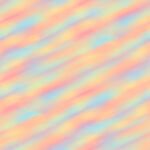
The fabric in question is Elastic Tulle - Oslo, a tulle fabric with 6% elastane in its composition, which gives it great elasticity. The printed design presents great complexity, but with a blurred, colorful, and decorative style, where multi-colored tones predominate.
The design printed on the tulle perfectly matches garments that seek to convey a cheerful and casual image, and that want to stand out for their vibrant tones as well as their transparency. It is especially focused on use in youthful garments, although it can also be used in other areas, such as lingerie or childrens fashion. In addition to combining well with other bright tones, this printed design can also combine with plain garments in black, white, or dusty pink.
It is important to mention that this fabric is printed with the stamped design on one side by digital textile printing, which implies that its opposite side remains without a design. Likewise, the fabric has a fine and soft texture to the touch, is transparent, and very elastic, which makes it perfect for use in fitted garments.
Regarding applications and uses, this type of fabric is ideal for use in garments such as skirts, dresses, bralettes, panties, bodysuits, stockings, and even in accessories. Thanks to the delicacy of its texture and its elasticity, it is widely used in bridal fashion for the creation of wedding dresses or for making decorative details.
For this fabric to maintain its quality, it is necessary to pay attention to its care. The garment should not be bleached and should be washed at a maximum temperature of 30 degrees Celsius. It is important to note that this type of fabric does not allow dry cleaning nor is ironing recommended, to prevent the fabric from deforming or burning.
Finally, the printing technology used in the manufacture of this fabric is sublimation, a thermal printing process by which a special ink is transferred to the fabric through heat and pressure. In this way, high printing quality is achieved with strong ink adhesion to the fabric, which guarantees greater durability and intensity of the design on the fabric.