Close
Click or press [Enter] to view the results
Trends


Printed Fabrics View articles
Telas en Colores Lisos View articles
Telas para Imprimir View articles
Trends
Printed Fabrics View articles
Telas en Colores Lisos View articles
Telas para Imprimir View articles


Elige colores lisos a juego con tu estampado favorito. ¡Selecciona aquí alguno de los colores principales!
| Material: | 100% Polyester |
| Width (cm): | 147 |
| Grammage (g/m²): | 110 |
| Pattern: | Colorful, Decorative, Abstract, Artistic, Waves |
| Features: | Thin, Rigid, Soft |
| Application / Use: | Handbags, Bermuda, Wallets, Swimsuit, Swimsuit |
| Sustainability certificates: | GRS |
| Manufacturing Method: | Single-sided digital textile printing, all products are custom-made to order. |
| Care: |
     |
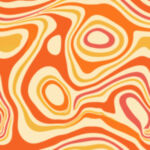
The Recycled Microfiber - Biarritz fabric features a printed design characterized by being colorful, decorative, abstract, artistic, and with wave shapes. The main design is composed of a predominant peach yellow at 46.29%, a construction cone orange at 31.58%, and a light orange at 13.17%. This design would look great combined with solid colors such as white, black, navy blue, or dark green.
The fabric is printed with the patterned design on one side using digital textile printing, which means the design will not be printed on the back of the fabric. The fabric is thin, rigid, and soft to the touch, characteristics that make it very versatile and adaptable to different types of use. As for the printed design, it is characterized by being very detailed and of high quality.
The Recycled Microfiber - Biarritz fabric is a sustainable fabric, as it has GRS certification and is made of 100% recycled polyester. This fabric is ideal for applications such as fashion, accessories, bags, wallets, sportswear, swimwear, and others. In addition, its weight of 110 gr/m2 and its composition make it very resistant and durable.
It is important to note that this fabric must be cared for following the washing instructions: do not use bleach, wash at a maximum temperature of 30°C, allows dry cleaning except trichloroethylene, iron at a cool temperature and cannot be tumble dried. This will ensure its durability and quality.
Finally, the printing technology used to manufacture this fabric is sublimation. This process consists of printing the design on specialized transfer paper using sublimation inks, and then passing the transfer paper through a heat machine that transfers the ink to the fabric. This process guarantees a high-quality and durable result.