Close
Click or press [Enter] to view the results
Trends


Printed Fabrics View articles
Telas en Colores Lisos View articles
Telas para Imprimir View articles
Trends
Printed Fabrics View articles
Telas en Colores Lisos View articles
Telas para Imprimir View articles


Elige colores lisos a juego con tu estampado favorito. ¡Selecciona aquí alguno de los colores principales!
| Material: | 100% Polyester |
| Width (cm): | 160 |
| Grammage (g/m²): | 200 |
| Pattern: | Stains, Drops, Brushstrokes, Painting, Modern Art |
| Features: | Soft, Smooth |
| Application / Use: | Towels, Cloths, Towel, Bathrobes, Rugs |
| Manufacturing Method: | Single-sided digital textile printing, all products are custom-made to order. |
| Care: |
     |
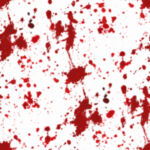
The Microfiber Towel Fabric - Swing is characterized by its soft and smooth texture, making it ideal for the production of bath textiles, towels, bathrobes, and kitchen cloths, among others. The printed design consists of a combination of abstract elements such as stains and brushstrokes, as well as artistic and modern elements, which gives it a decorative and distinctive touch. The main colors are cotton white with shades of pepper red, allowing the fabric to be combined with other solid colors such as mill wheel, pale pink, and sky blue.
This fabric is digitally printed with the design on one side. The fabric stands out for its soft touch and ease of adapting to multiple uses, thanks to its 100% polyester composition and a weight of 200 gr/m2. It can also be used in the summer season due to its ability to absorb moisture and dry quickly.
The Microfiber Towel - Swing has multiple applications and uses. In addition to the options already mentioned, it is also a fabric used in the production of cleaning cloths, tablecloths, and napkins. All this thanks to its resistance and softness that make it perfect for home use.
It is important to consider the care that should be taken with this fabric. Bleach is not recommended, and it should be washed at a maximum temperature of 30°C. It should not be tumble dried or ironed once dry.
Finally, the printing technology used for the manufacture of this fabric is SUBLIMATION (POLYESTER), which allows for high quality in terms of the resistance and durability of the printed colors. It is a process in which the ink turns into gas when heat is applied to the fabric surface, so that it penetrates the fibers of the fabric. In this way, a print resistant to washing and wear is achieved.