Close
Click or press [Enter] to view the results
Trends


Printed Fabrics View articles
Telas en Colores Lisos View articles
Telas para Imprimir View articles
Trends
Printed Fabrics View articles
Telas en Colores Lisos View articles
Telas para Imprimir View articles


Elige colores lisos a juego con tu estampado favorito. ¡Selecciona aquí alguno de los colores principales!
| Material: | 97% Polyester, 3% Elastane |
| Width (cm): | 146 |
| Grammage (g/m²): | 95 |
| Pattern: | Scribble, Simple, Artistic, Bicolor, Drawn |
| Features: | Brilliant, Smooth, Thin |
| Application / Use: | Shirts, Blouses, Kimono, Accessories, Monkeys |
| Manufacturing Method: | Single-sided digital textile printing, all products are custom-made to order. |
| Care: |
     |
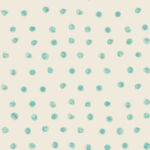
The fabric in question is Satin - Amsterdam, a satin/raso with a 100% polyester composition, a weight of 120 gr/m2, and a width of 150 cm. Its printed design features attributes such as abstract scribbles, with a simplicity in its complexity and an artistic style. Additionally, circle and dot shapes can be seen, as well as hand-drawn and painted strokes, which add a unique touch to the design.
The main colors of this design are predominantly dark tones, with 91.62% prevalence, while 3.17% is composed of other secondary colors.
This fabric is printed with the stamped design on one side using digital textile printing technology. It is important to note that it is a single-sided printed fabric, not double-sided.
Regarding the general characteristics of the fabric and design, the satin provides a shiny visual texture, a smooth and delicate feel. On the other hand, the printed design adds a soft tactile texture to the fabric.
As for the applications and uses of this fabric, its versatility stands out. It is ideal for making shirts, blouses, kimonos, accessories, jumpsuits, skirts, pajamas, dresses, pants, tops, scarves, and can also be used in lingerie, including bridal wear. This variety of applications shows the adaptability of this fabric to different garments and styles.
In terms of care, it is recommended not to bleach the fabric and to wash it at a maximum temperature of 40ºC. Additionally, it allows dry cleaning, except with trichloroethylene. For ironing, it is suggested to use a warm temperature, and it can be tumble dried at a reduced temperature.
The printing technology used to manufacture this fabric is sublimation, specifically for polyester fabrics. This printing technique allows for ink transfer at a molecular level, which provides high definition and durability to the printed design on the fabric.