Close
Click or press [Enter] to view the results
Trends


Printed Fabrics View articles
Telas en Colores Lisos View articles
Telas para Imprimir View articles
Trends
Printed Fabrics View articles
Telas en Colores Lisos View articles
Telas para Imprimir View articles


Elige colores lisos a juego con tu estampado favorito. ¡Selecciona aquí alguno de los colores principales!
| Material: | 82% Polyester, 18% Elastane |
| Width (cm): | 150 |
| Grammage (g/m²): | 270 |
| Pattern: | Scribble, Simple, Artistic, Bicolor, Drawn |
| Features: | Elastic, Chlorine Resistant, Very High UV Protection 50+ |
| Application / Use: | Body, Swimsuit, Bikinis, Jersey, Tights / Leggings |
| Manufacturing Method: | Single-sided digital textile printing, all products are custom-made to order. |
| Care: |
     |
The Lycra Polyester fabric - Nairobi is an elastic fabric with a soft and resistant texture, with a weight of 270 gr/m2. Its composition is 82% polyester and 18% elastane, which provides great elasticity. It has a width of 150 cm and its care requires not bleaching it, washing it at a maximum temperature of 40ºC, and avoiding tumble drying.
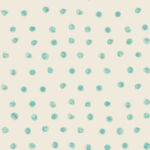
The printed design of this fabric is characterized by being abstract, with scribbles, artistic style, and drawn. It features circles and dots in its form, and is hand-painted. The main colors of this design are 91.62% and 3.17%, although the exact colors are not specified.
This fabric is printed with the stamped design on one side by digital textile printing. It is important to mention that the design is not printed on both sides of the fabric, but only on one side.
Regarding general characteristics, this fabric stands out for its elasticity, pleasant feel, and resistance to chlorine. In addition, it has a finish that offers very high UV protection of factor 50+.
The applications and uses of this fabric are varied, being suitable for lingerie, bodysuits, sportswear such as swimsuits, bikinis, leotards, and leggings. It is also used in swimwear, such as bathing suits. In short, it is a versatile fabric that can adapt to different types of garments for women, men, and children.
Regarding the care that should be taken into account, it is important not to bleach it, wash it at a maximum temperature of 40ºC, avoid the use of trichloroethylene in dry cleaning, iron it at a cold temperature, and not tumble dry it.
The printing technology used to manufacture this fabric is sublimation (polyester). This printing technique allows colors and designs to adhere durably to the fabric, maintaining their vividness and resistance over time. It is a widely used technology in the textile industry to obtain high-quality and detailed prints.