Close
Click or press [Enter] to view the results
Trends


Printed Fabrics View articles
Telas en Colores Lisos View articles
Telas para Imprimir View articles
Trends
Printed Fabrics View articles
Telas en Colores Lisos View articles
Telas para Imprimir View articles

Elige colores lisos a juego con tu estampado favorito. ¡Selecciona aquí alguno de los colores principales!
| Material: | 97% Polyester, 3% Elastane |
| Width (cm): | 146 |
| Grammage (g/m²): | 95 |
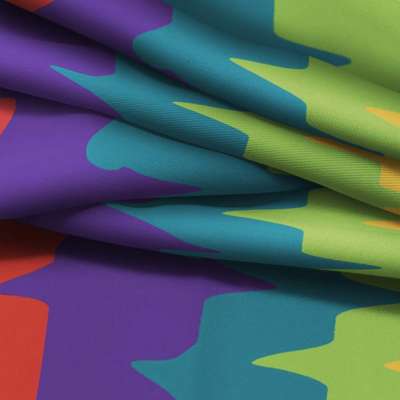
| Pattern: | Drawing, Colorful, Stripes, Light |
| Features: | Brilliant, Smooth, Thin |
| Application / Use: | Shirts, Blouses, Kimono, Accessories, Monkeys |
| Manufacturing Method: | Single-sided digital textile printing, all products are custom-made to order. |
| Care: |
     |
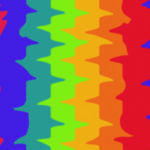
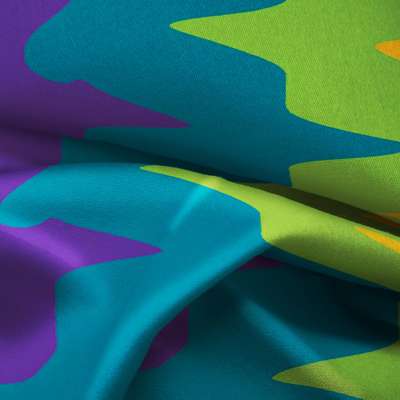
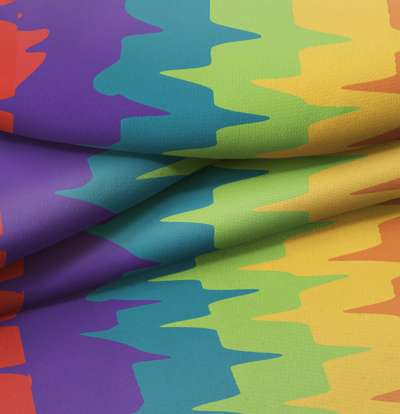
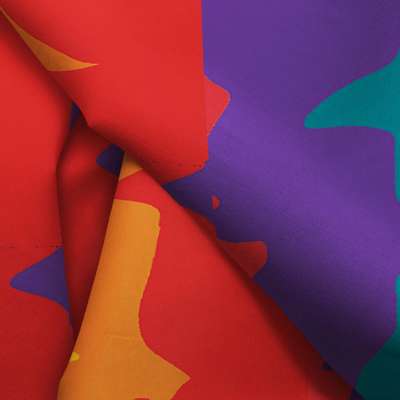
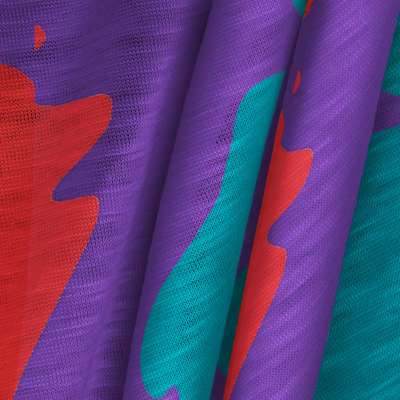
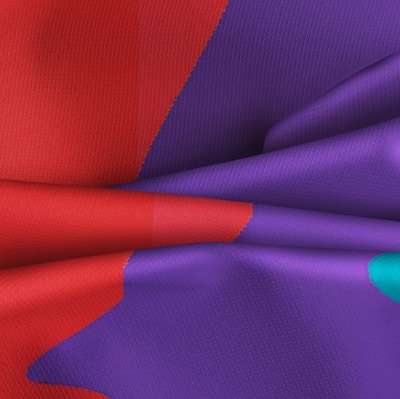
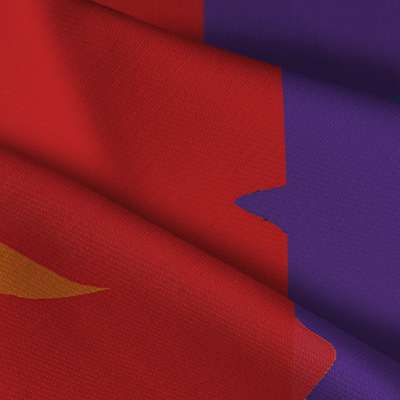
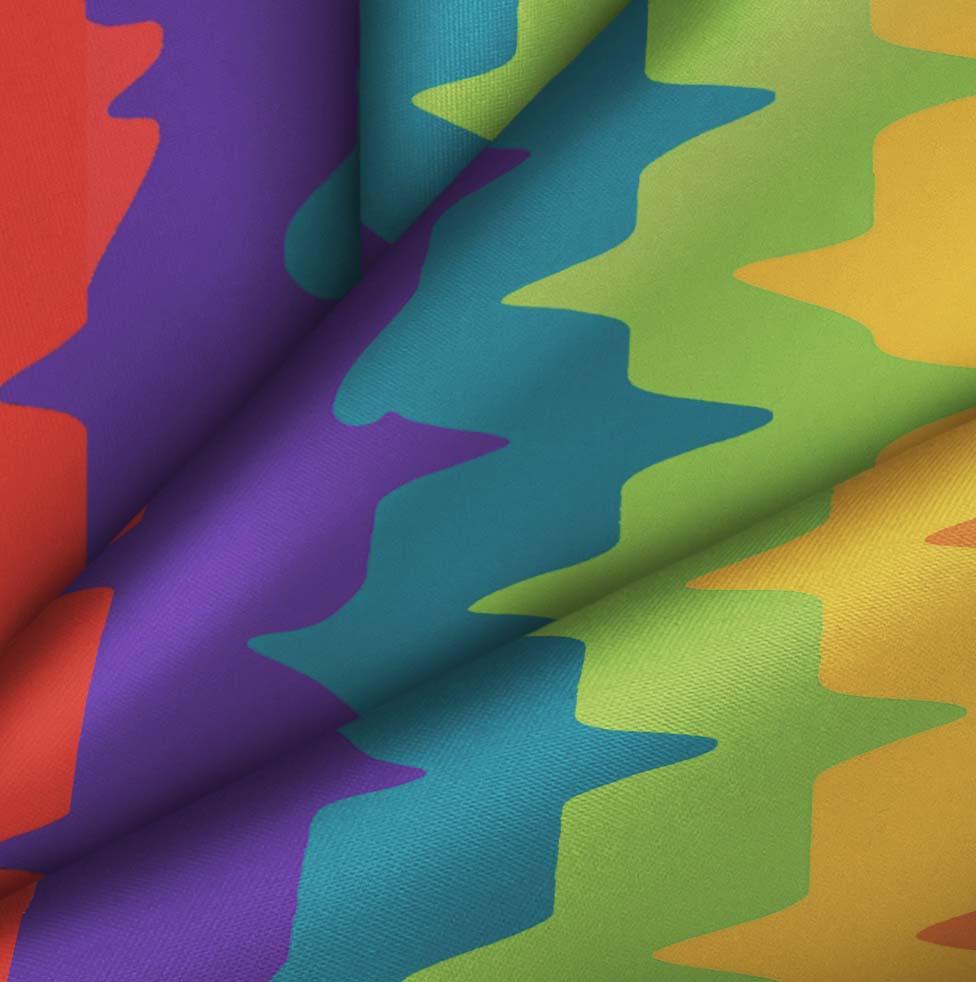
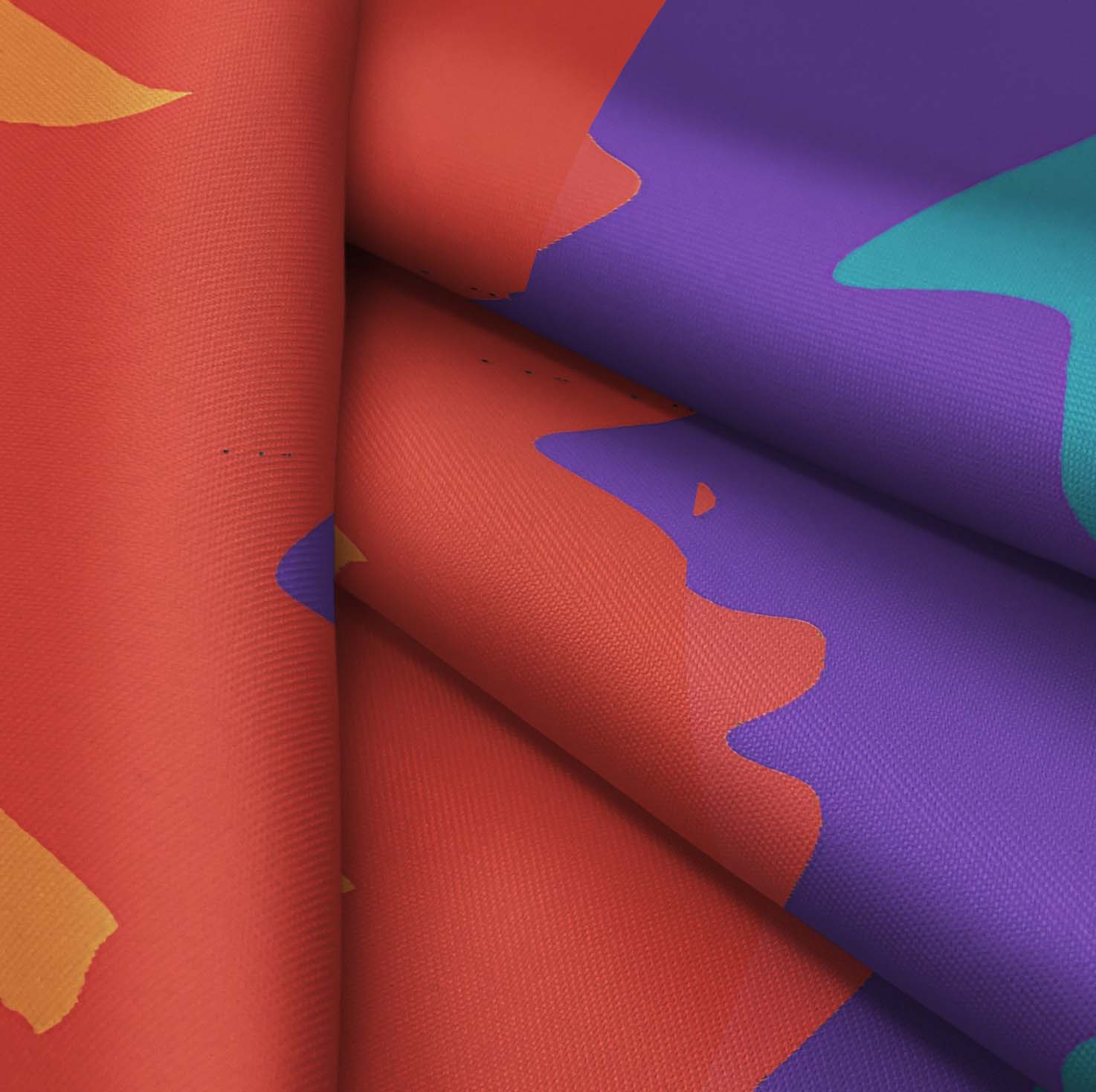
Raso - Ámsterdam fabric is a delicate and shiny satin fabric, characterized by its colorful striped design, which brings a modern and vibrant touch to any garment. The combination of its multicolored tones in a dynamic pattern evokes feelings of joy and energy, making it ideal for pieces that seek to highlight the personality of the wearer.
This fabric, with a composition of 100% polyester and a weight of 120 gr/m², is characterized by its soft touch and smooth surface, making it perfect for a variety of applications. The shiny surface transforms every garment into a style statement, ideal for both womens and mens fashion, including shirts, blouses, and dresses. This type of fabric is also appreciated in the world of lingerie, being commonly used in pajamas and wedding dresses. In decoration, its versatility allows for use in curtains, cushions, and other home applications, creating cozy and elegant environments. For printed designs, it is essential to mention that the fabric is digitally printed on one side, ensuring that the visual and tactile quality remains intact and vibrant in every garment.
Care for the Raso - Ámsterdam fabric is essential to preserve its quality and durability. It is recommended not to use bleach and to wash at a maximum temperature of 40ºC, as well as allowing dry cleaning (except with trichloroethylene). Additional care includes ironing at a warm temperature and the possibility of tumble drying at a low temperature, which facilitates simple and effective maintenance.
The sublimation printing technology used allows dyes to integrate into the polyester fibers, ensuring high color quality and preventing print wear over time. This technique is perfect for polyester fabrics as the colors remain vibrant and the softness of the fabric is not compromised. Ultimately, the combination of fabric quality and printing technology used results in an exceptional final product that meets the aesthetic and functional demands of the contemporary consumer.