Close
Click or press [Enter] to view the results
Trends


Printed Fabrics View articles
Telas en Colores Lisos View articles
Telas para Imprimir View articles
Trends
Printed Fabrics View articles
Telas en Colores Lisos View articles
Telas para Imprimir View articles

Elige colores lisos a juego con tu estampado favorito. ¡Selecciona aquí alguno de los colores principales!
| Material: | 97% Polyester, 3% Elastane |
| Width (cm): | 150 |
| Grammage (g/m²): | 209 |
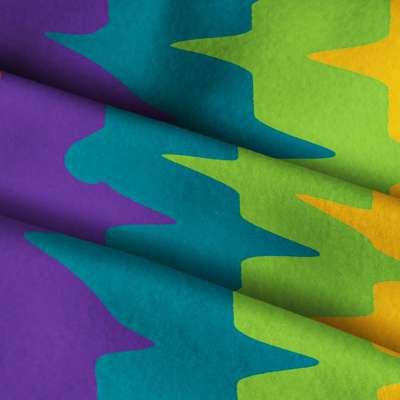
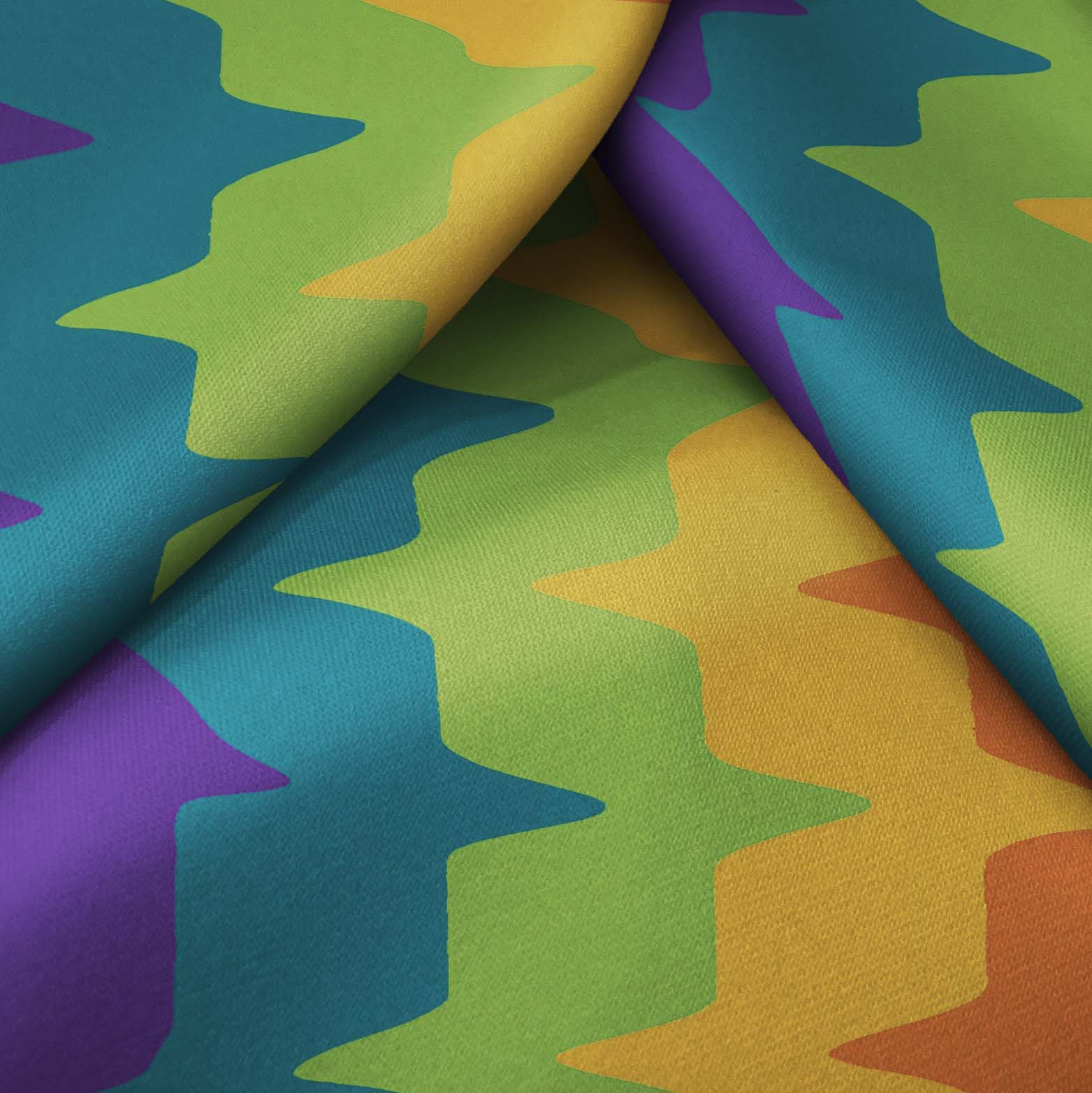
| Pattern: | Drawing, Colorful, Stripes, Light |
| Features: | Wrinkled, Elastic, Soft |
| Application / Use: | Pants, Cloths, Skirts, Jeans, Shorts |
| Manufacturing Method: | Single-sided digital textile printing, all products are custom-made to order. |
| Care: |
     |
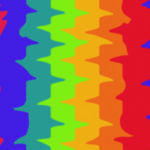
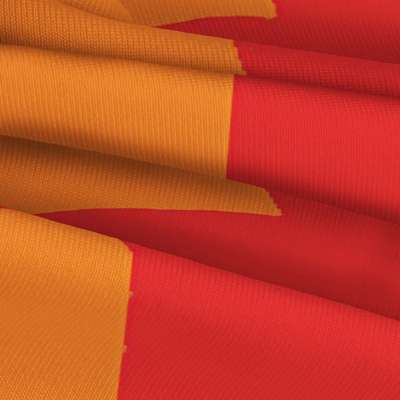
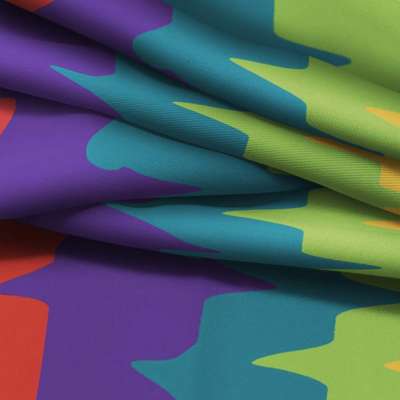
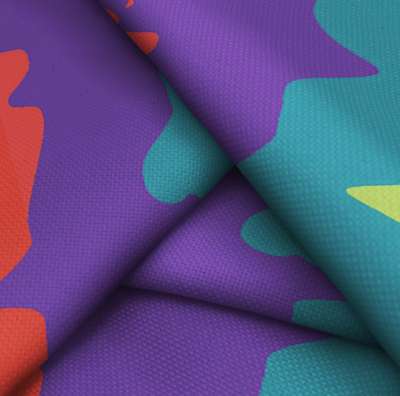
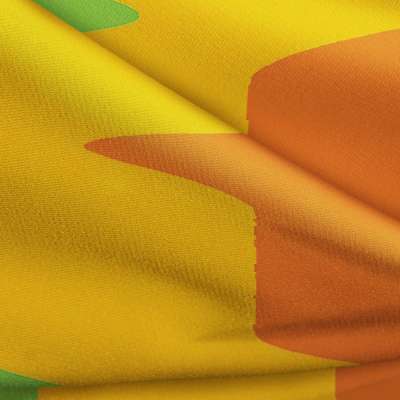
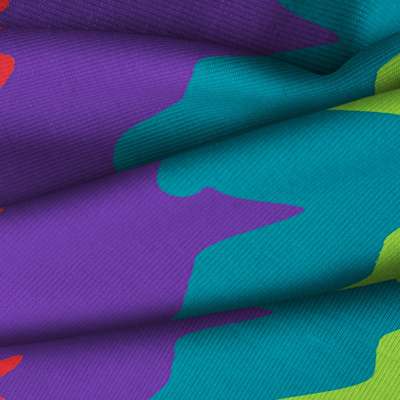
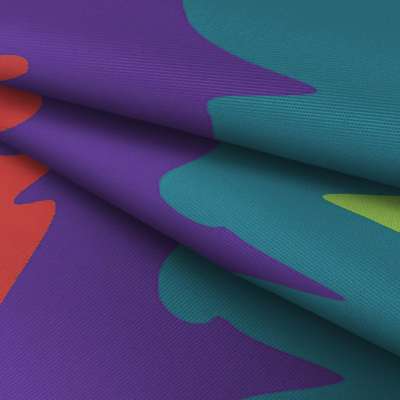
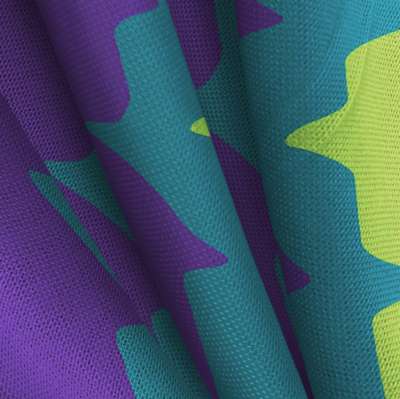
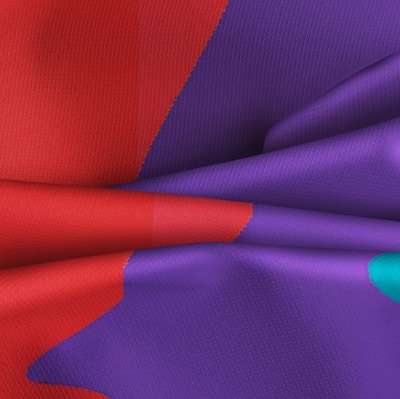
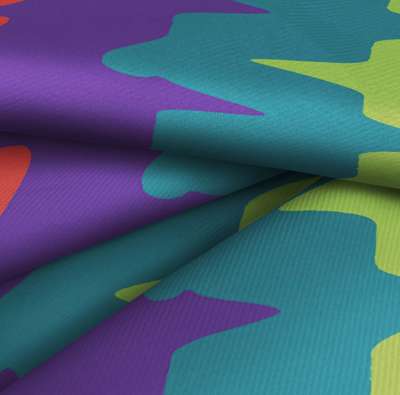
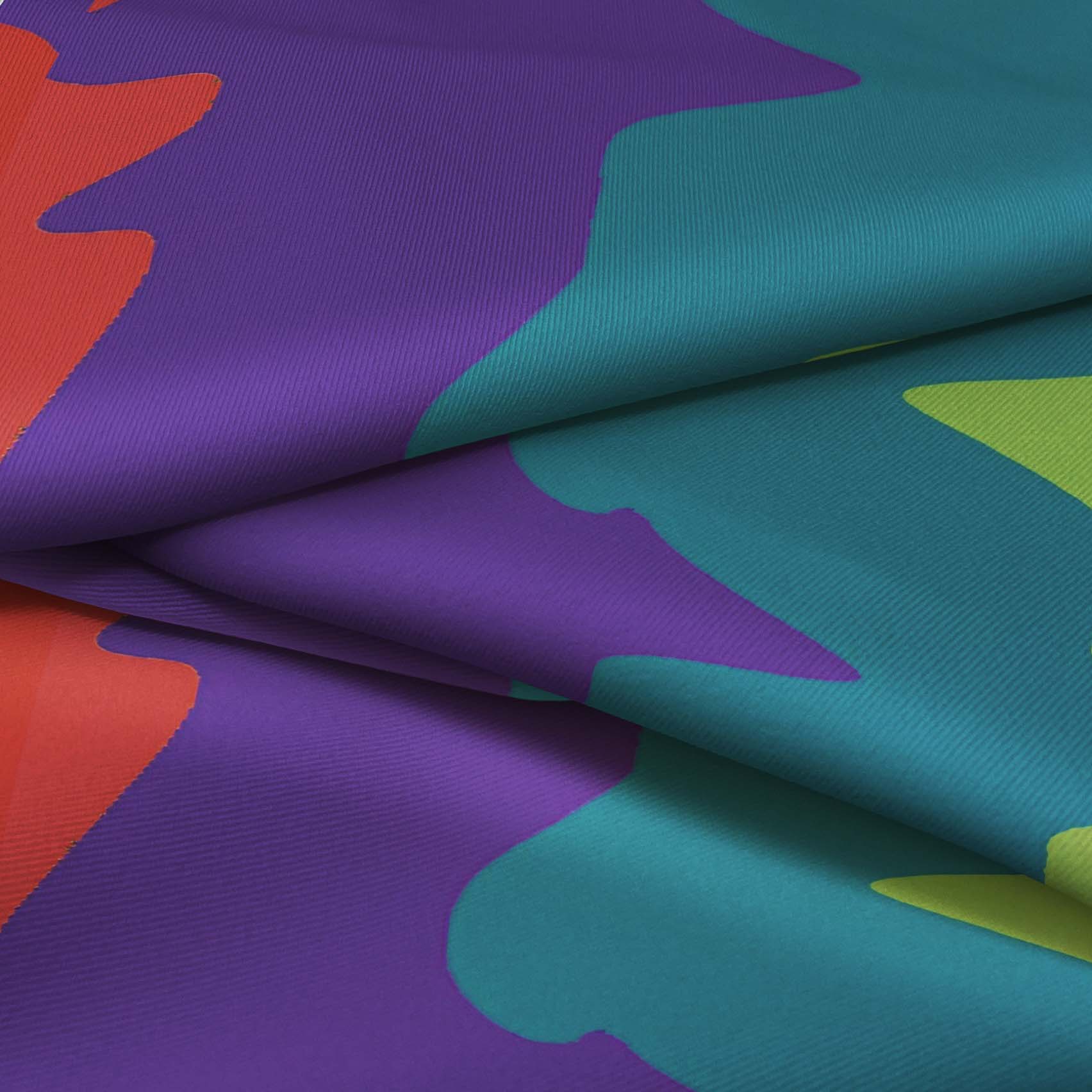
The Bi-elastic Twill Fabric - Lisbon is composed of 97% polyester and 3% elastane, characterized by its rough and elastic texture, ideal for various fashion and home applications. Its vibrant and lively printed design incorporates striped shapes in a multicolor format that evokes a sense of dynamism and modernity; this design can be complemented with solid colors such as white, black, yellow, or navy blue, creating harmonious and versatile combinations. It is important to note that the fabric is digitally printed with the design on one side only, highlighting solely the front side of the fabric, leaving the reverse in its original finish.
The Bi-elastic Twill - Lisbon stands out for its durability and adaptability. Its weight of 209 gr/m2 gives it remarkable resistance, while its elasticity provides great comfort, making it perfect for garments that require freedom of movement such as pants, skirts, and blazers, as well as for decorative elements. The printed design on this fabric not only adds visual appeal but also allows for creative expression in the making of clothing and decorative items. The fabric adapts to various seasons and occasions, offering the possibility of creating everything from casual wear to elegant outfits and distinctive accessories.
The care instructions for the Bi-elastic Twill - Lisbon are essential to maintain the quality and appearance of the fabric. It is recommended not to bleach, wash at a maximum temperature of 30ºC, and avoid tumble drying to preserve its elasticity. It allows for dry cleaning, except with trichloroethylene, and it is advisable to iron at a cool temperature to prevent damage to the material. These care instructions ensure that both the fabric and its printed design retain their integrity and color over time.
Finally, the printing technology used to manufacture this fabric is sublimation on polyester. This process involves the transformation of the dye into vapor, which penetrates the fabric fibers, ensuring optimal color adherence that does not fade easily. Sublimation allows for vibrant colors with great depth, as well as providing a soft and pleasant-to-the-touch finish, while maintaining the fabrics elasticity. This method is very suitable for polyester fabrics, as it ensures the durability and quality of the prints, making them ideal for a wide range of applications.