Close
Click or press [Enter] to view the results
Trends


Printed Fabrics View articles
Telas en Colores Lisos View articles
Telas para Imprimir View articles
Trends
Printed Fabrics View articles
Telas en Colores Lisos View articles
Telas para Imprimir View articles

Elige colores lisos a juego con tu estampado favorito. ¡Selecciona aquí alguno de los colores principales!
| Material: | 100% Polyester |
| Width (cm): | 150 |
| Grammage (g/m²): | 82 |
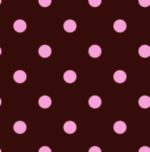
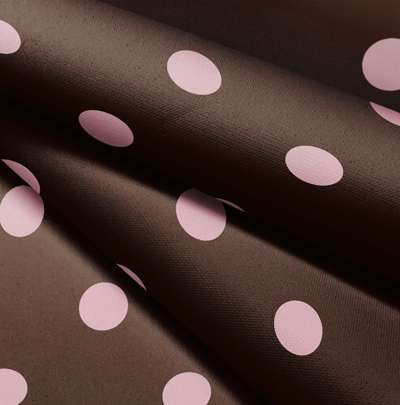
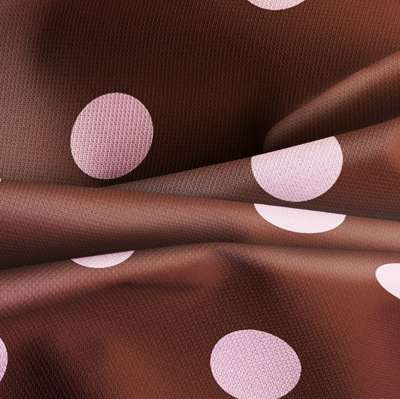
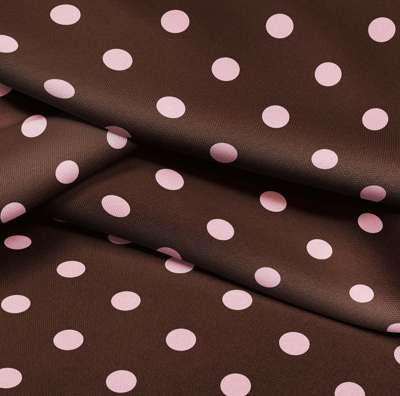
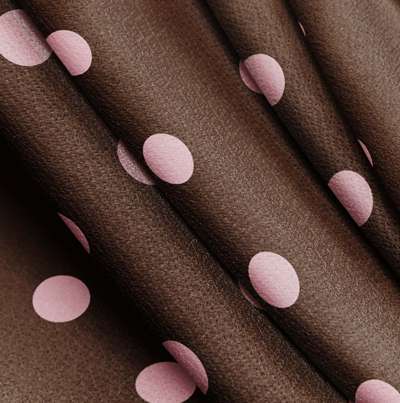
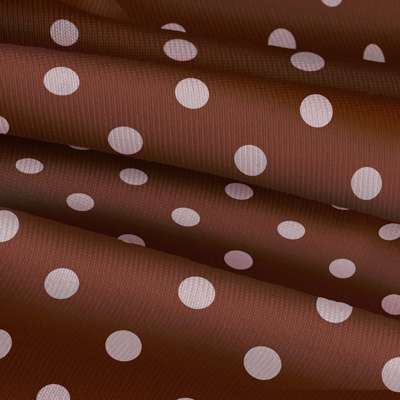
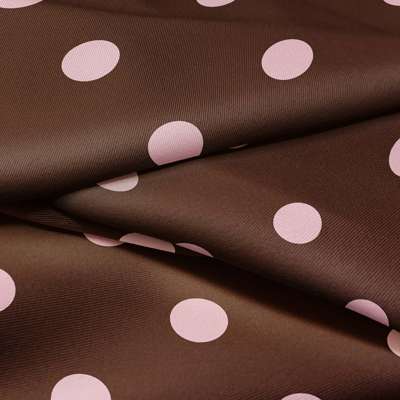
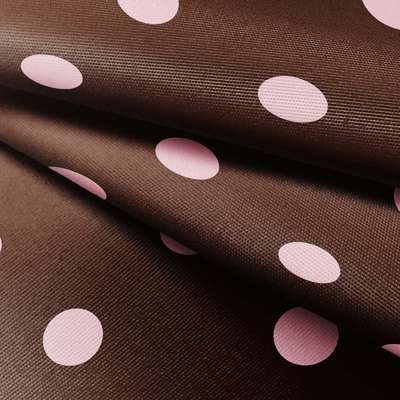
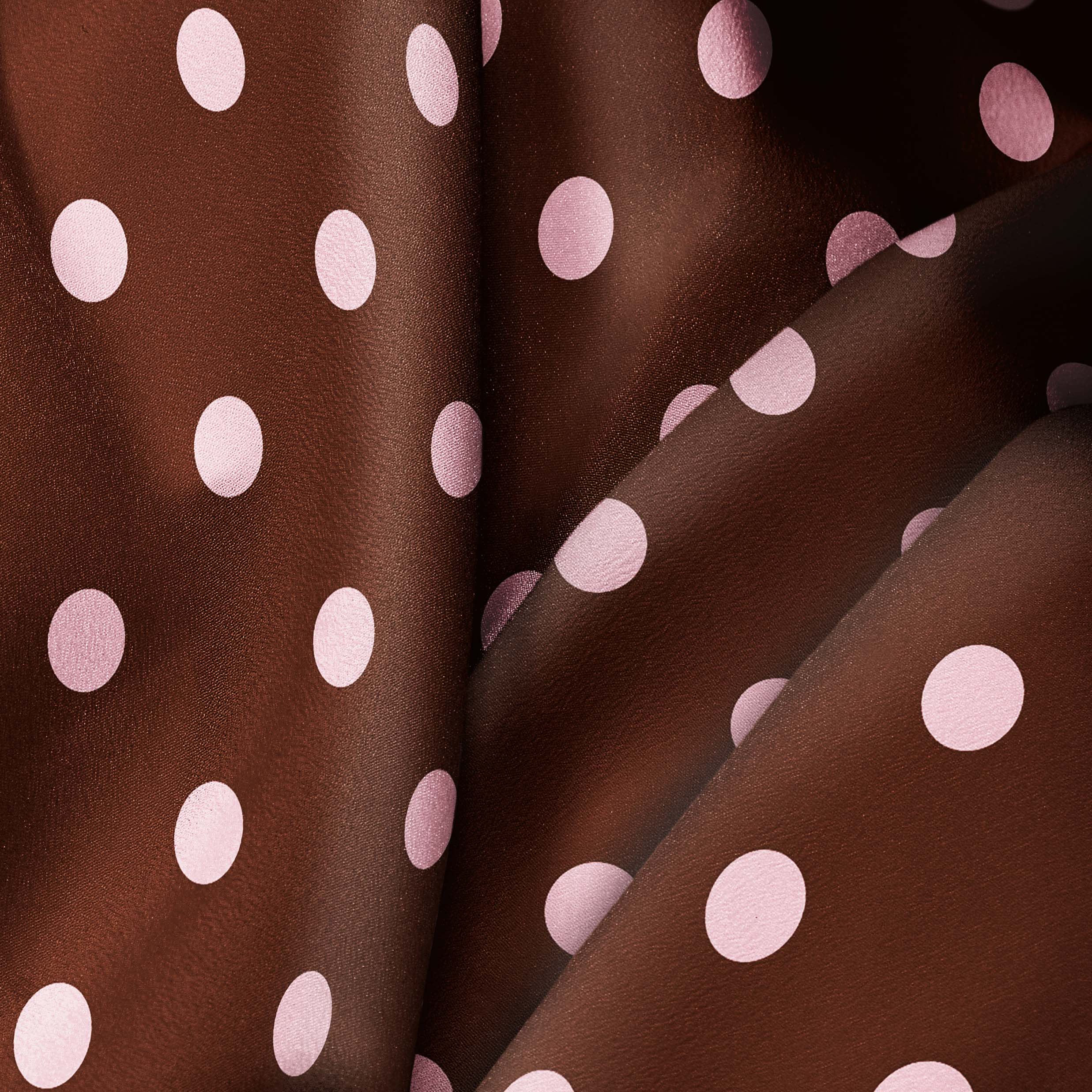
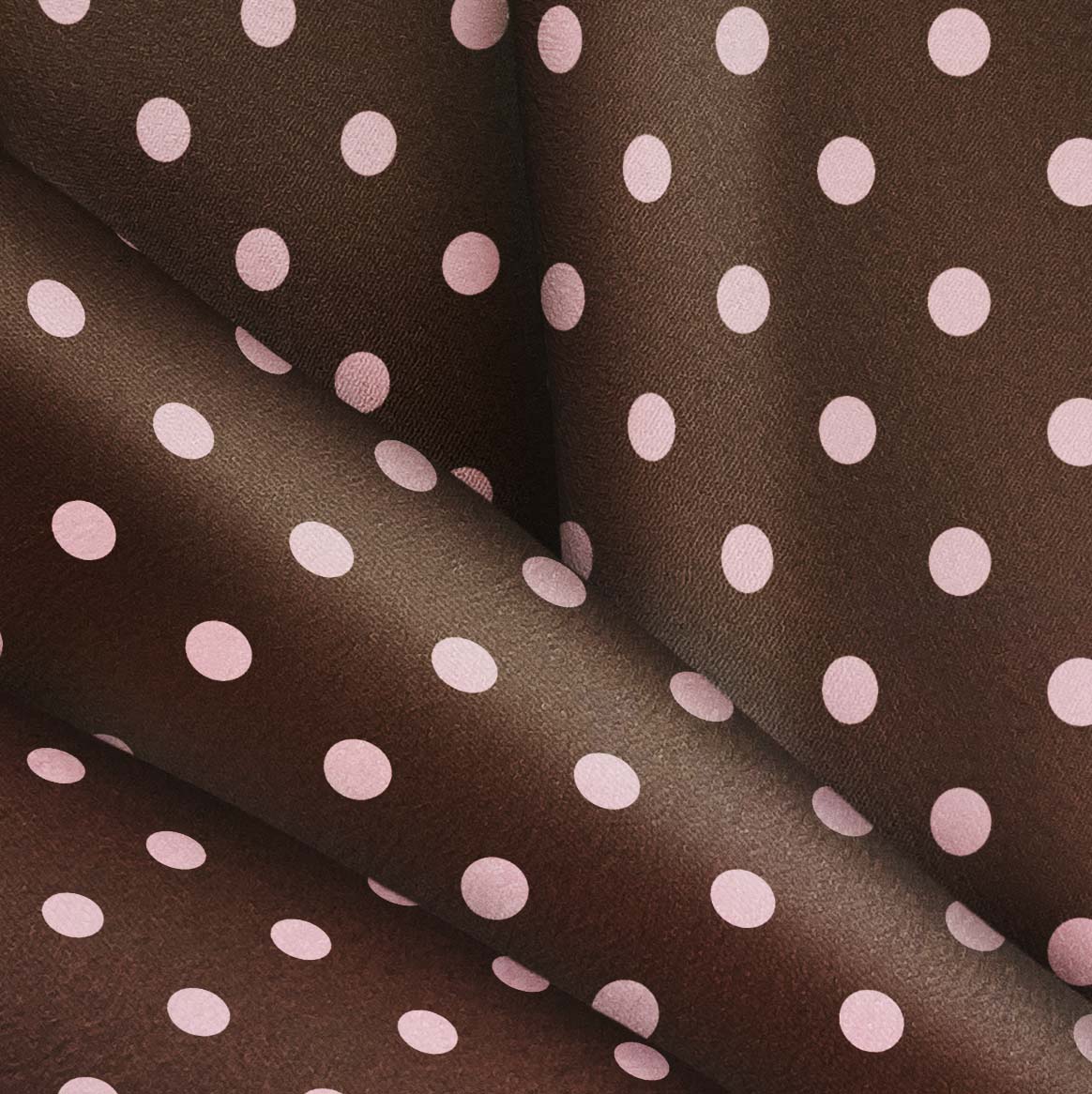
| Pattern: | Moles, Dark, rose |
| Features: | Thin, Soft, Translucent, Granules |
| Application / Use: | Dresses, Dresses, Skirts, Blouses, Brides |
| Sustainability certificates: | GRS |
| Manufacturing Method: | Single-sided digital textile printing, all products are custom-made to order. |
| Care: |
     |
The Recycled Crepe Chine fabric stands out for its fluidity and strength, with a design that combines circles in shades of brown and pink on a midnight black background, evoking sophistication and originality. The color palette, with a predominant black, achieves an attractive contrast, and is perfect to combine with solid colors such as white, soft gray, or beige, which enhance the essence of the print without detracting from its prominence. It is important to mention that the fabric is printed with the stamped design on one side by digital textile printing, meaning it is not a double-sided printed fabric, which makes it more suitable for certain types of garments and decorations.
The Recycled Crepe Chine, with its weight of 82 gr/m2 and a width of 150 cm, offers versatility and a soft and delicate touch, ideal for making light and fluid garments. The grainy texture adds visual appeal, while its translucency provides a modern and elegant touch, making this fabric a preferred choice for both feminine and masculine fashion, including dresses, blouses, shirts, skirts, and lingerie. In the home decor sector, it excels in creating elegant curtains and unique table runners, bringing a contemporary and sophisticated air to any space.
Regarding the necessary care to maintain this type of fabric, it is recommended not to bleach, wash at a maximum temperature of 30ºC, and limit dry cleaning, avoiding trichloroethylene. Also, it should be ironed at a cool temperature and tumble drying is not recommended, as these cares prolong the durability and beauty of the fabric.
The printing technology used for this fabric is sublimation, specifically adapted to polyester. This process involves transferring inks onto the fabric through heat, causing the pigments to become part of the synthetic fibers. This procedure not only guarantees exceptional color adherence but also a durable and vibrant finish that enhances the printed designs, allowing the fabric to maintain its softness and resistance over time.