Close
Click or press [Enter] to view the results
Trends


Printed Fabrics View articles
Telas en Colores Lisos View articles
Telas para Imprimir View articles
Trends
Printed Fabrics View articles
Telas en Colores Lisos View articles
Telas para Imprimir View articles


| Material: | 96% Polyester, 4% Elastane |
| Width (cm): | 150 |
| Grammage (g/m²): | 220 |
| Pattern: | Moles, Moles, Light |
| Features: | Soft, Thin |
| Application / Use: | Shirts, Skirts, Blouses, Dresses, Handkerchiefs |
| Manufacturing Method: | Single-sided digital textile printing, all products are custom-made to order. |
| Care: |
     |
| Notices: |
Existen diferentes tipos de Sarga disponibles sen nuestra web, este tejido es una Sarga fina de bajo gramaje. Recomendamos adquirir una muestra para validar que es la textura que busca. |
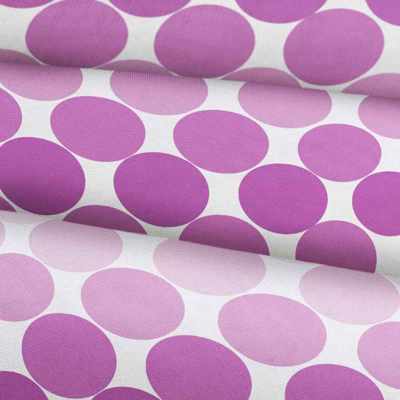
The fabric in question is Twill - Prada, a twill-type fabric with a composition of 96% polyester and 4% elastane, which gives it a soft and thin texture to the touch. With a weight of 220 gr/m2 and a width of 150 cm, this fabric is ideal for use in womens and mens fashion, such as shirts, skirts, blouses, dresses, and scarves, especially during the summer season.
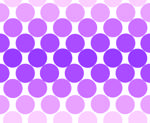
The printed design on this fabric features circles and polka dots in multicolored tones, which adds a fun and fresh touch to any garment made with it. This fabric can be combined with solid colors in pastel tones, white, or black to create more elegant looks, or with vibrant tones to add a striking element. It is important to note that the fabric is printed with the design on one side using digital textile printing.
In terms of its general characteristics, Twill - Prada is resistant and durable, which makes it ideal for garments that will be used frequently. In addition, the printed design is of high quality and does not lose color or wear out over time. Regarding applications and uses, this fabric is ideal for clothing, although it can also be used for making accessories.
To maintain the quality of this fabric, it is recommended to wash it at a maximum temperature of 30ºC, do not use bleach, and avoid using a tumble dryer. Dry cleaning is possible, except with trichloroethylene. Garments made with this fabric can be ironed at a cool temperature.
Finally, the printing technology used to manufacture this fabric is sublimation (polyester), a printing technique that allows creating vibrant and durable designs on synthetic fabrics. With this technique, the design is printed on transfer paper and then transferred to the fabric using heat and pressure, which allows for exceptional precision and print quality.