Close
Trends


Printed Fabrics View articles
Telas en Colores Lisos View articles
Telas para Imprimir View articles
Trends
Printed Fabrics View articles
Telas en Colores Lisos View articles
Telas para Imprimir View articles


| Material: | 100% Polyester |
| Width (cm): | 150 |
| Grammage (g/m²): | 28 |
| Pattern: | Moles, Dark |
| Features: | Transparent, Thin |
| Application / Use: | Brides, Dresses, Sarong, Handkerchiefs, Dresses |
| Manufacturing Method: | Single-sided digital textile printing, all products are custom-made to order. |
| Care: |
     |
| Notices: |
Al ser un tejido vaporoso, en metrajes superiores a 5 metros, pueden presentarse pequeños pliegues en los extremos del tejido. |
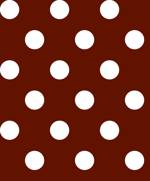
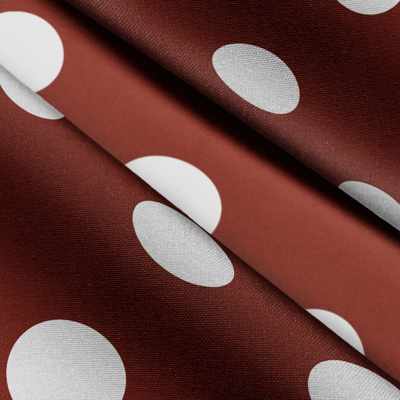
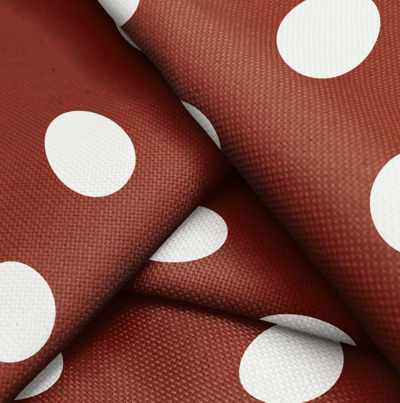
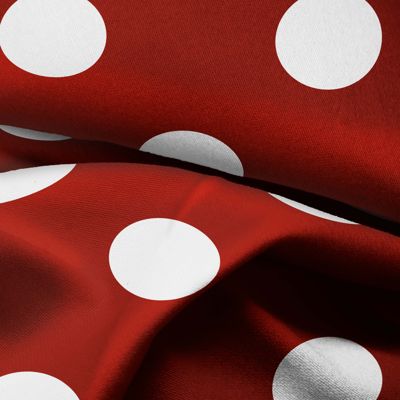
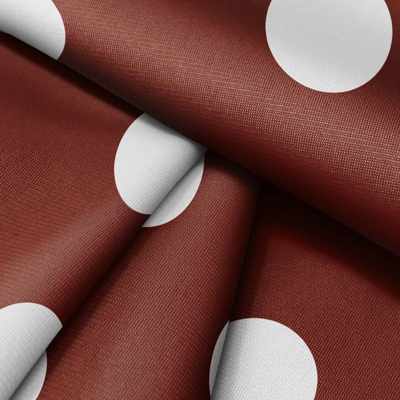
The Transparent Chiffon Fabric - Salamanca features a printed design consisting of circles and polka dots in chocolate milk brown, soft ivory white, and garnet red. These dense colors combine with a transparent visual texture and a thin feel. The fabric is digitally printed on one side, meaning it is not a double-sided printed fabric.
Regarding its characteristics, chiffon fabric is renowned for its delicacy and transparency, making it an excellent choice for garments such as lingerie, skirts, dresses, and scarves. The circle and polka dot design adds a fun and youthful touch to the fabric, perfect for the summer season. The fabric can be easily combined with other solid colors such as bubblegum pink, pastel blue, and sage green.
In terms of applications and uses, its transparent texture makes it ideal for lingerie and wedding dresses, while its delicacy is perfect for baby clothes and childrens wear. The fabric can also be used for manufacturing accessories such as scarves and sarongs.
As for care, the fabric needs to be handled with care. It should be washed at a maximum temperature of 30 degrees and should not be bleached. Although the fabric allows for dry cleaning, the use of trichloroethylene is not recommended. The fabric can be ironed at a cool temperature, but a dryer should not be used to dry it.
Finally, this transparent chiffon fabric is printed using polyester sublimation technology, a process through which inks transition from a solid to a vapor state without passing through a liquid phase. This technology offers a higher degree of detail and precision in printing, allowing for the creation of complex designs and highly detailed patterns on the fabric.