Close
Click or press [Enter] to view the results
Trends


Printed Fabrics View articles
Telas en Colores Lisos View articles
Telas para Imprimir View articles
Trends
Printed Fabrics View articles
Telas en Colores Lisos View articles
Telas para Imprimir View articles


Elige colores lisos a juego con tu estampado favorito. ¡Selecciona aquí alguno de los colores principales!
| Material: | 100% Polyester |
| Width (cm): | 160 |
| Grammage (g/m²): | 220 |
| Pattern: | Zebra, Simple, Decorative, Stripes, Dark |
| Features: | Drawn out |
| Application / Use: | Hoodies, Toiletry bags, Hoodies, Backpacks, Tracksuit |
| Sustainability certificates: | GRS |
| Manufacturing Method: | Single-sided digital textile printing, all products are custom-made to order. |
| Care: |
     |
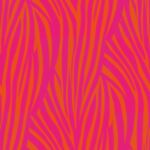
The Brushed Sweatshirt Fabric - Boston stands out for its delicacy and softness to the touch, making it the perfect choice for comfortable and warm garments during the colder months. Its printed design is characterized by a simple and decorative style, with stripe shapes and a multi-colored zebra animal print. In addition to combining with dark and neutral tones, it can also be complemented with vibrant colors for a bold look.
This fabric has a brushed finish, which means it has small fibers on its surface that increase its softness and warmth. The printed design is applied to one side of the fabric using digital textile printing, which allows for maximum sharpness and colorfastness.
The Brushed Sweatshirt Fabric - Boston has a composition of 100% polyester, with a weight of 220 gr/m2 and a width of 160 cm. It is perfect for fashion garments for both women and men, especially for sweatshirts and sports tracksuits. It is also ideal for making toiletry bags, backpack accessories, and other complements that require special and delicate care.
To keep this fabric in perfect condition, it is essential to follow a series of cleaning and care recommendations. In this case, it is advised not to use any type of bleach, wash at a maximum temperature of 40ºC, and avoid ironing. Dry cleaning is possible with the exception of using trichloroethylene, and tumble drying at a reduced temperature.
The printing technology used for this fabric is sublimation (polyester), a digital textile printing method characterized by printing directly onto the fiber through heat and pressure, so that the colors are definitively integrated into the fabric. This process guarantees high definition of the design, greater durability, and resistance to washing and continuous use.