Close
Click or press [Enter] to view the results
Trends


Printed Fabrics View articles
Telas en Colores Lisos View articles
Telas para Imprimir View articles
Trends
Printed Fabrics View articles
Telas en Colores Lisos View articles
Telas para Imprimir View articles


Elige colores lisos a juego con tu estampado favorito. ¡Selecciona aquí alguno de los colores principales!
| Material: | 97% Polyester, 3% Elastane |
| Width (cm): | 150 |
| Grammage (g/m²): | 209 |
| Pattern: | Complex, Photography, Modern Art, Dark |
| Features: | Wrinkled, Elastic, Soft |
| Application / Use: | Pants, Cloths, Skirts, Jeans, Shorts |
| Manufacturing Method: | Single-sided digital textile printing, all products are custom-made to order. |
| Care: |
     |
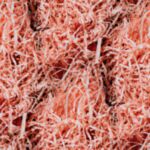
The base fabric is the Bi-elastic Twill - Lisboa, a fabric composed of 97% polyester and 3% elastane with a weight of 209 gr/m2 and a width of 150 cm. Its printed design features attributes such as complexity, abstract style, photography, and modern art, using a multi-color combination. This fabric is printed with the single-sided design using digital textile printing.
Regarding its general characteristics, the fabric has a rough, elastic, and soft texture, providing great comfort. The design, on the other hand, presents a unique complexity and style that makes it ideal for creating modern garments and accessories. The fabric can be used in various applications or uses, ranging from womens/mens fashion in trousers, skirts, jeans, and shorts/bermudas, to textile/home in the kitchen, bedroom, living room, dining room, among others. This fabric combined with solid colors of green, yellow, and orange tones can create a striking and stylish look.
In relation to care, it is important to note that this fabric should not be bleached, should be washed at a maximum temperature of 30ºC, dry cleaning is allowed except for trichloroethylene, it can be ironed at a cold temperature, and cannot be tumble dried. In addition, due to the printing technology with which this fabric is manufactured, special attention should be paid to ironing, avoiding direct contact with the iron to prevent damage to the design.
Finally, the Bi-elastic Twill - Lisboa is manufactured using sublimation printing technology, which allows the ink to be transferred directly to the fabric through heat and pressure. This printing process allows the colors to be more vibrant, durable, and resistant to environmental conditions.