Close
Click or press [Enter] to view the results
Trends


Printed Fabrics View articles
Telas en Colores Lisos View articles
Telas para Imprimir View articles
Trends
Printed Fabrics View articles
Telas en Colores Lisos View articles
Telas para Imprimir View articles


Elige colores lisos a juego con tu estampado favorito. ¡Selecciona aquí alguno de los colores principales!
| Material: | 82% Polyester, 18% Elastane |
| Width (cm): | 150 |
| Grammage (g/m²): | 270 |
| Pattern: | Simple, Brilliant, Light, Ice |
| Features: | Elastic, Chlorine Resistant, Very High UV Protection 50+ |
| Application / Use: | Body, Swimsuit, Bikinis, Jersey, Tights / Leggings |
| Manufacturing Method: | Single-sided digital textile printing, all products are custom-made to order. |
| Care: |
     |
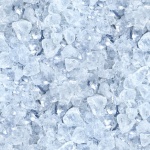
The Polyester Lycra fabric - Nairobi, weighing 270 gr/m2, features a simply complex printed design with a bright, ice-like texture style, where the main colors are multi-colored. This design can be combined with solid colors that support the complexity of the print, such as white, dark blue, or black, which will enhance the vibrancy of the designs tones itself. It is worth noting that the fabric is printed with the stamped design on one side only using digital textile printing, meaning only one side of the fabric will be printed.
Regarding its characteristics, the fabric has a soft touch and an elastic texture that guarantees a particularly comfortable and flattering fit for the body. Furthermore, its finish is chlorine-resistant and has a very high UPF - UV Protection Factor (50+), making it an ideal fabric for lingerie, bodysuits, swimsuits and bikinis, sports tights and leggings, and general swimwear. Additionally, its weight of 270 gr/m2 and width of 150 cm make it ideal for these types of garments.
Regarding the care instructions for this fabric, a maximum wash of 40 ºC is recommended, and bleaching should be avoided. It is important to mention that the fabric allows dry cleaning except with trichloroethylene, and ironing should be done at a low temperature. Also, to preserve the durability of the print, it should not be tumble dried.
Finally, this fabric is manufactured using sublimation printing technology on polyester, which allows for a high level of detail and color in the printing of designs. This process involves heating the printed design to a high temperature so that the dye turns into gas and penetrates the fabric, thus creating a permanent and wear-resistant print.