Close
Click or press [Enter] to view the results
Trends


Printed Fabrics View articles
Telas en Colores Lisos View articles
Telas para Imprimir View articles
Trends
Printed Fabrics View articles
Telas en Colores Lisos View articles
Telas para Imprimir View articles


Elige colores lisos a juego con tu estampado favorito. ¡Selecciona aquí alguno de los colores principales!
| Material: | 82% Polyester, 18% Elastane |
| Width (cm): | 150 |
| Grammage (g/m²): | 270 |
| Pattern: | Complex, Modern Art, Photography, Cracks, Stone |
| Features: | Elastic, Chlorine Resistant, Very High UV Protection 50+ |
| Application / Use: | Body, Swimsuit, Bikinis, Jersey, Tights / Leggings |
| Manufacturing Method: | Single-sided digital textile printing, all products are custom-made to order. |
| Care: |
     |
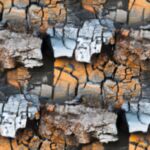
The fabric we are discussing is Polyester Lycra - Nairobi of 270 gr/m2, which has a composition of 82% polyester and 18% elastane. Its printed design is characterized by its complexity, with modern art that presents crack forms and an inspiration from nature, specifically, stones, all represented in a multicolor palette. This fabric, with its one-sided digital textile print design, is very elastic and chlorine-resistant, with very high UV protection 50+. It is ideal for manufacturing sports and swimwear, such as bikinis, swimsuits, tights, and leggings, as well as lingerie and bathing suits. As for solid color combinations, the Nairobi fabric can go very well with navy blue, black, or gray.
Regarding the general characteristics of the fabric, its weight of 270 gr/m2, its width of 150 cm, and its care instructions—maximum washing temperature of 40ºC and cold ironing—are very relevant. Furthermore, its printing technology, sublimation (polyester), provides a high-quality and durable finish.
The most common application of this fabric is in the manufacturing of swimwear and sportswear, but it is also perfect for lingerie and bathing suits. It is an elastic and comfortable fabric to wear, allowing for wide movements without feeling restricted. Its complex design enriches any garment, with inspiration from natural elements, such as stones, and a carefully chosen combination of vibrant and cheerful colors.
As for the care of Nairobi fabric, it requires washing at a maximum temperature of 40ºC, without bleaching or using a dryer. Additionally, it can be dry cleaned without trichloroethylene, and it is recommended to iron at a cold temperature.
Finally, the printing technology used for the manufacturing of this fabric is sublimation (polyester), which allows for printing with great detail, intensity, and durability, a complex design with a wide variety of colors, on one side of the fabric. Therefore, it becomes a quality option for the manufacturing of high-quality garments with an attractive design, such as the Nairobi fabric.