Close
Click or press [Enter] to view the results
Trends


Printed Fabrics View articles
Telas en Colores Lisos View articles
Telas para Imprimir View articles
Trends
Printed Fabrics View articles
Telas en Colores Lisos View articles
Telas para Imprimir View articles


Elige colores lisos a juego con tu estampado favorito. ¡Selecciona aquí alguno de los colores principales!
| Material: | 97% Polyester, 3% Elastane |
| Width (cm): | 150 |
| Grammage (g/m²): | 209 |
| Pattern: | Standard, Botanist, Photography, Leaves, Dark |
| Features: | Wrinkled, Elastic, Soft |
| Application / Use: | Pants, Cloths, Skirts, Jeans, Shorts |
| Manufacturing Method: | Single-sided digital textile printing, all products are custom-made to order. |
| Care: |
     |
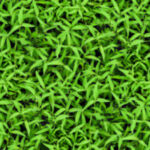
The Bi-elastic Twill - Lisbon fabric is an exquisite blend that ingeniously combines the strength of twill with the elasticity of elastane. Its texture is rough to the touch and denotes great elasticity, yet it is soft and allows for excellent manipulation. The printed design of this fabric is a complex botanical motif that faithfully reproduces photographs of plants and leaves, with a multicolor finish that offers surprising visual exuberance. Ideally, this fabric can be combined with a wide range of solid colors such as pistachio green, yellow, red, navy blue, and beige. It is important to note that the fabric is printed with the design on one side using digital textile printing.
Among the general characteristics of the fabric, its ability to be used in a wide variety of applications stands out, such as the creation of pants, skirts, shorts, dresses, and fashion accessories, or for the production of kitchen towels, home cushions, and other more elaborate products like frames, paintings, and napkins. Furthermore, one of the most notable advantages of this fabric is that it does not deform easily, which makes it ideal for textile products that require great durability and wear resistance.
Regarding the care instructions for this fabric, it is important to follow them carefully: wash at a maximum temperature of 30°C, do not bleach or tumble dry, allow ironing at a cool temperature, and authorize dry cleaning except with trichloroethylene.
The printing technology used for the production of the Bi-elastic Twill - Lisbon is sublimation (polyester). This is a digital textile printing technique that involves printing the desired image on a special sheet of paper, which is then transferred to the fabric using heat and pressure. In this way, the ink sublimates, creating a faithful and durable reproduction of the design on the fabric.