Close
Click or press [Enter] to view the results
Trends


Printed Fabrics View articles
Telas en Colores Lisos View articles
Telas para Imprimir View articles
Trends
Printed Fabrics View articles
Telas en Colores Lisos View articles
Telas para Imprimir View articles


Elige colores lisos a juego con tu estampado favorito. ¡Selecciona aquí alguno de los colores principales!
| Material: | 97% Polyester, 3% Elastane |
| Width (cm): | 150 |
| Grammage (g/m²): | 209 |
| Pattern: | Pictorial, Standard, Artistic, Decorative, Wildflowers |
| Features: | Wrinkled, Elastic, Soft |
| Application / Use: | Pants, Cloths, Skirts, Jeans, Shorts |
| Manufacturing Method: | Single-sided digital textile printing, all products are custom-made to order. |
| Care: |
     |
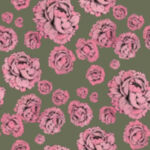
The Bi-elastic Twill fabric - Lisboa is composed of 97% POLYESTER and 3% ELASTANE, giving it a rough and elastic texture to the touch. With a weight of 209 gr/m2 and a width of 150 cm, this fabric is perfect for use in fashion garments such as trousers, skirts, jeans, shorts, or dresses. It can also be used in home textiles, such as in the creation of kitchen towels, cushions, and decorative hoops. Visually, the printed design incorporates floral and wild elements, using a combination of main colors consisting of 44.81% of a dominant color along with 20.72% of another complementary color.
These main colors of the printed design can harmonize with other plain tones, such as a solid color that resembles the dominant color of the design or even one that complements the secondary color. The fabric, for its part, is printed with the design on one side using digital textile printing, which means that the design only appears on one side of the fabric.
In general, the Bi-elastic Twill fabric - Lisboa is characterized by its resistance and durability, making it an ideal choice for garments that require frequent use. Furthermore, its soft texture makes it very comfortable to wear. On the other hand, the printed design stands out for its artistic and decorative style, with pictorial elements that add visual complexity and a touch of nature through the inclusion of wildflowers.
Regarding the applications and uses of this fabric, in addition to those mentioned above, it can also be used in the manufacture of fashion accessories, such as bags or hats. In the field of decoration, pictures, cushions, and napkins can be created with this fabric. Its versatility allows it to adapt to both interior spaces, such as bedrooms and living rooms, and exterior spaces, where it can be used for the making of cushions or upholstery.
As for the care of this fabric, it is recommended to wash it at a maximum temperature of 30ºC and not to bleach it. In addition, dry cleaning is possible, with the exception of using trichloroethylene. For ironing, a cold temperature should be used, and it cannot be tumble dried.
Finally, the printing technology used in this fabric is sublimation. This process involves the transfer of printed images through heat, which allows for vibrant and high-quality colors. It is a widely used method in the textile industry and ensures that the printed design remains intact over time.