Close
Click or press [Enter] to view the results
Trends


Printed Fabrics View articles
Telas en Colores Lisos View articles
Telas para Imprimir View articles
Trends
Printed Fabrics View articles
Telas en Colores Lisos View articles
Telas para Imprimir View articles

Elige colores lisos a juego con tu estampado favorito. ¡Selecciona aquí alguno de los colores principales!
| Material: | 75% Polyester, 25% Elastane |
| Width (cm): | 150 |
| Grammage (g/m²): | 230 |
| Pattern: | Drawing, 1960s, Colorful, Hearts, Light |
| Features: | Elastic, Chlorine Resistant, Very High UV Protection 50+ |
| Application / Use: | Body, Bikinis, Swimsuit, Jersey, Tights / Leggings |
| Sustainability certificates: | GRS |
| Manufacturing Method: | Single-sided digital textile printing, all products are custom-made to order. |
| Care: |
     |
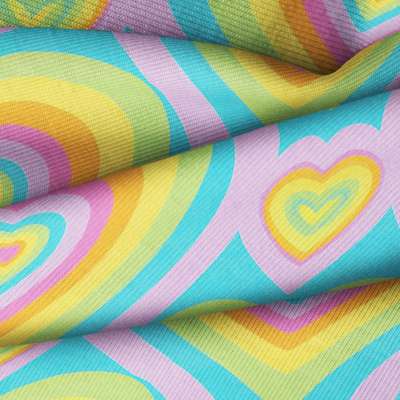
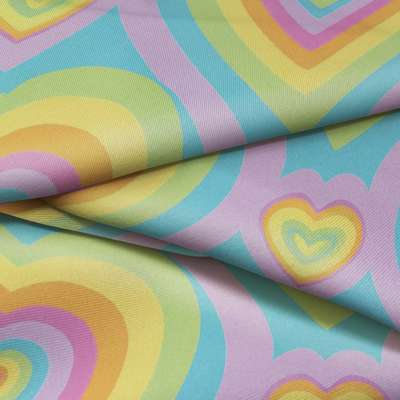
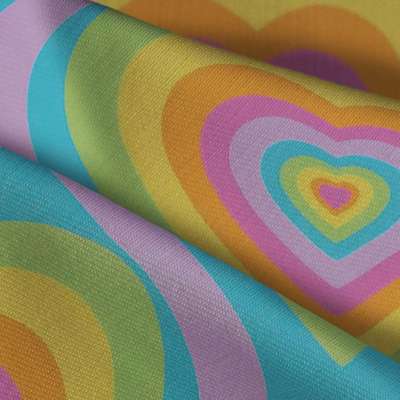
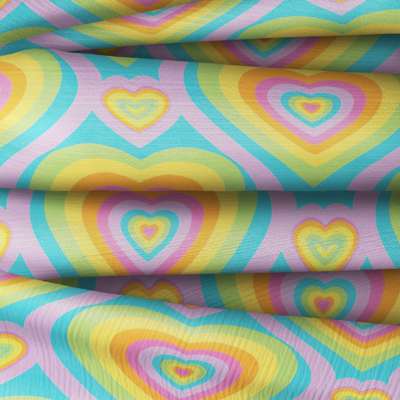
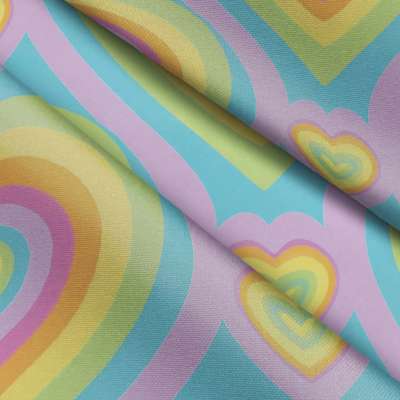
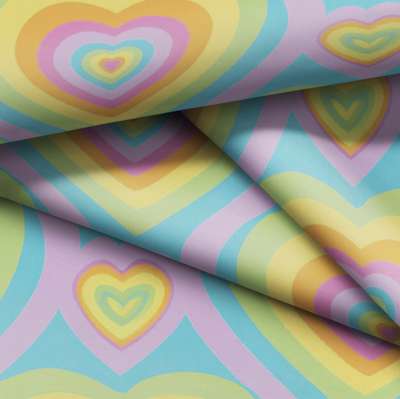
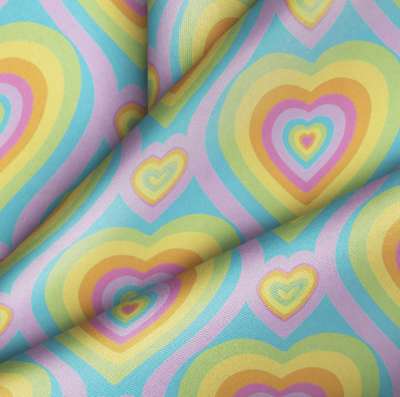
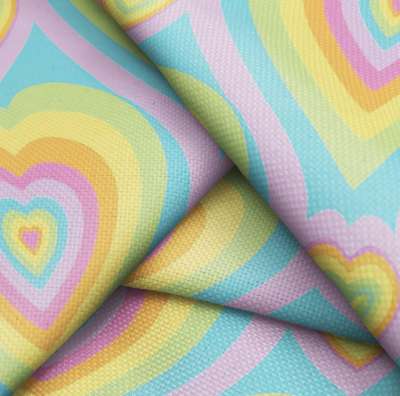
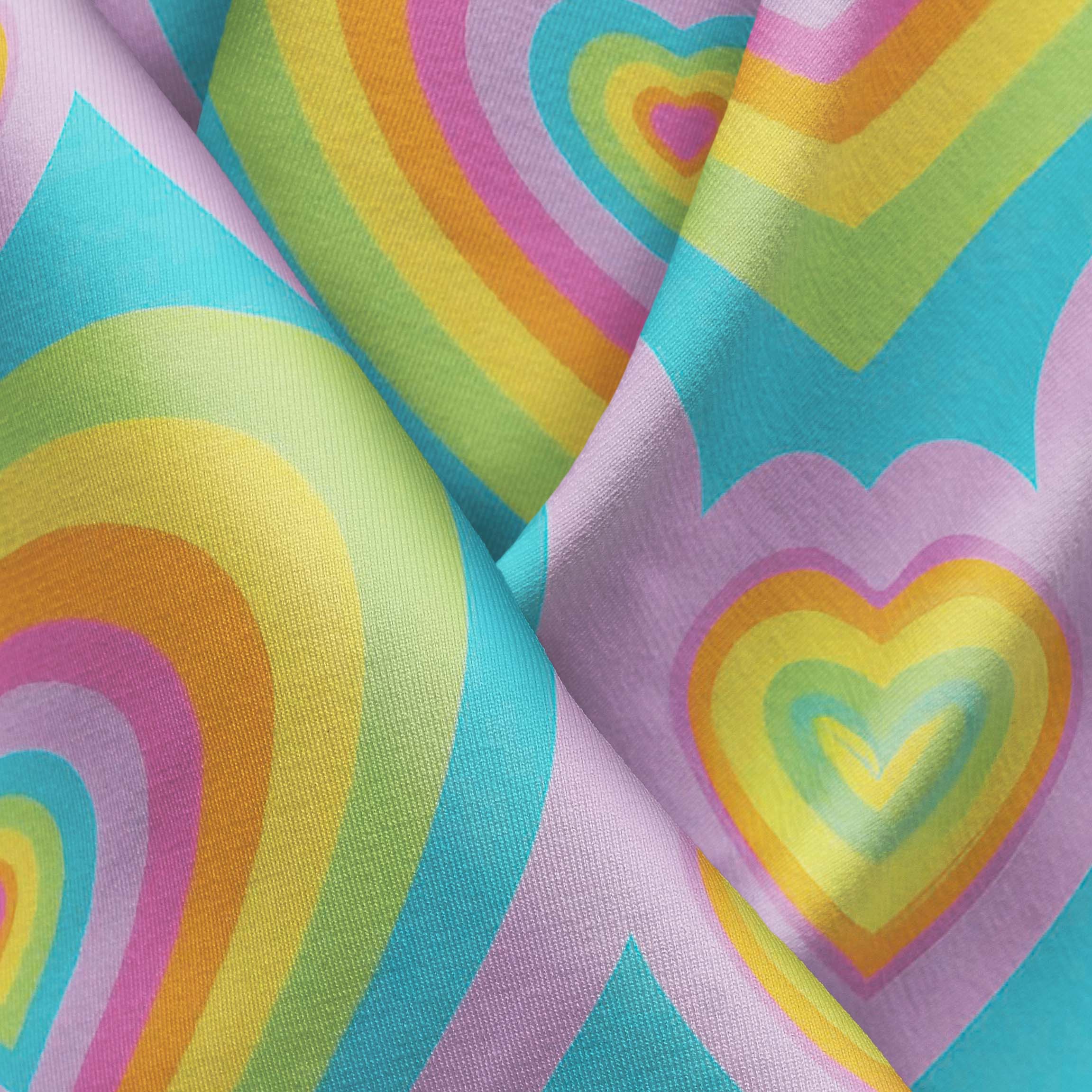
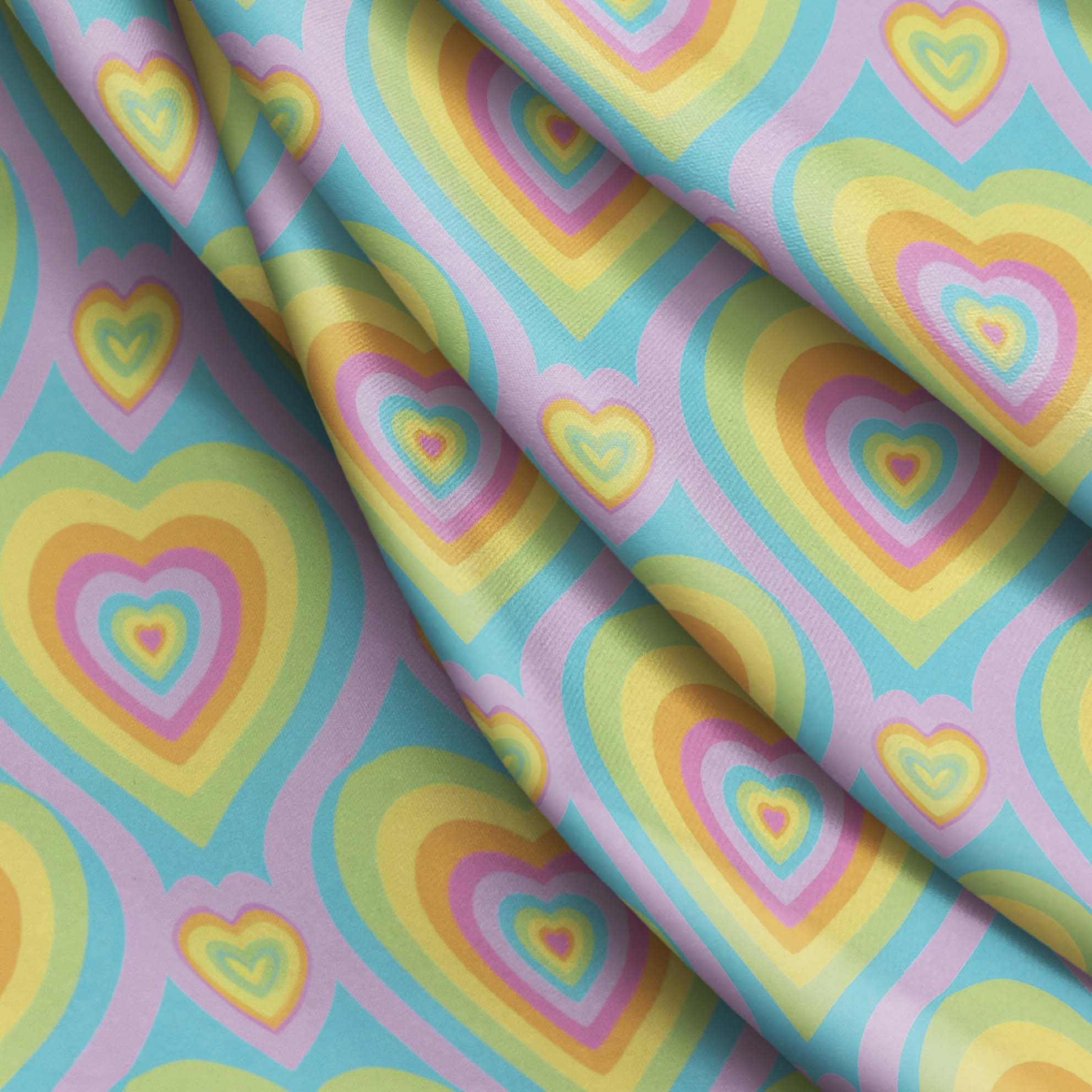
The 230 gr/m2 Recycled Lycra - Seal fabric is characterized by its versatility and sustainability. Its colorful 60s-inspired design, featuring heart shapes and romantic themes, adds a vibrant and playful touch. This multi-colored design can be combined with solid tones such as black, white, red, or navy blue, creating a balanced and attractive palette. Furthermore, the fabric is printed with the design on one side using digital textile printing, which ensures a precise and detailed finish, without printing on both sides.
In terms of general characteristics, Recycled Lycra stands out for its elasticity and softness to the touch, making it ideal for garments that require comfort and freedom of movement. Additionally, its chlorine-resistant finish and high UV protection (factor 50+) make it an exceptional choice for water and sports activities. This fabric also has the merit of being recycled, contributing to environmental care, which reinforces its appeal both technically and ethically.
Among the applications and uses of this fabric are lingerie, bodysuits, sportswear such as swimsuits and bikinis, as well as leggings for children and adults. These characteristics make it perfect for making clothes that are not only comfortable but also functional and fashionable. The chlorine-resistant property is particularly favorable for use in swimming pools, while the very high UV protection makes it ideal for enjoying the sun without worries.
Regarding care, it is essential to follow certain guidelines to keep the fabric in optimal condition. This includes avoiding bleaching, washing at a maximum temperature of 40ºC, and not dry cleaning the garment. Ironing should be done at a cool temperature, and a tumble dryer should not be used, as these care instructions preserve both the integrity of the fabric and the vibrancy of the printed design.
Finally, the printing technology used is sublimation on polyester. This method allows the design to be transferred through heat, causing the inks to turn into vapor and adhere to the fabric fibers, which ensures high image quality and durability over time. Sublimation is especially suitable for polyester fabrics, as it allows colors to be vibrant and prints not to wear out easily, maintaining the cheerful and dynamic essence of the design.