Close
Click or press [Enter] to view the results
Trends


Printed Fabrics View articles
Telas en Colores Lisos View articles
Telas para Imprimir View articles
Trends
Printed Fabrics View articles
Telas en Colores Lisos View articles
Telas para Imprimir View articles

Elige colores lisos a juego con tu estampado favorito. ¡Selecciona aquí alguno de los colores principales!
| Material: | 85% Polyester, 15% Elastane |
| Width (cm): | 150 |
| Grammage (g/m²): | 190 |
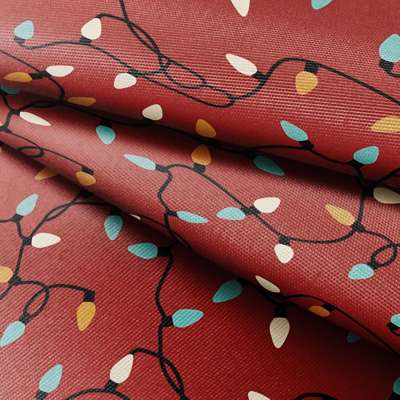
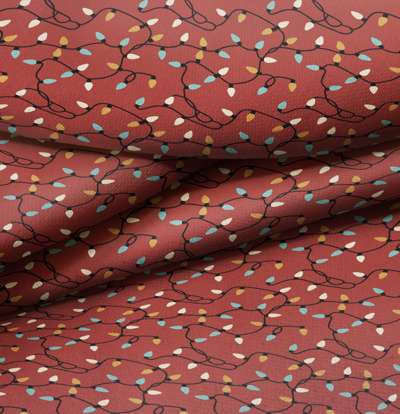
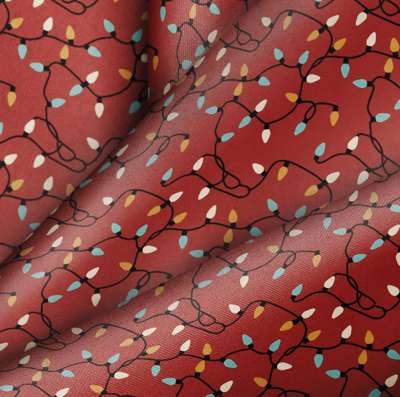
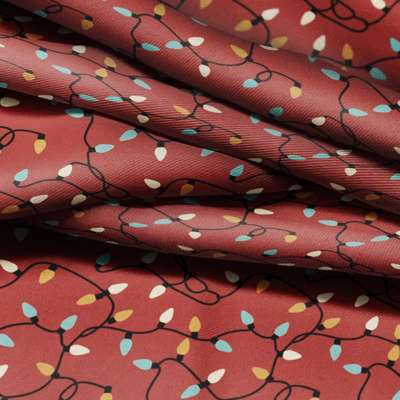
| Pattern: | Lights, Dark |
| Features: | Soft, Elastic, Chlorine Resistant, Very High UV Protection 50+ |
| Application / Use: | Scrunchie, Scrunchies, Bikinis, Swimsuit, Swimsuit |
| Sustainability certificates: | GRS |
| Manufacturing Method: | Single-sided digital textile printing, all products are custom-made to order. |
| Care: |
     |
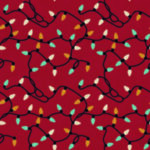
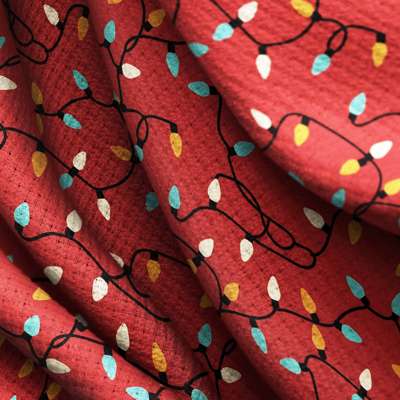
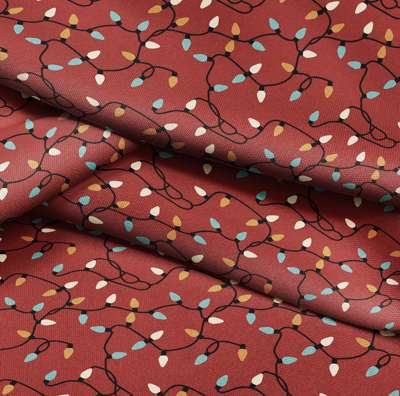
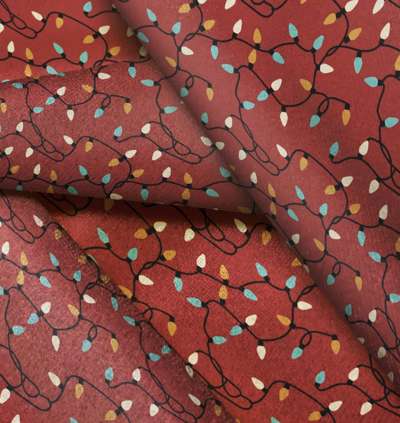
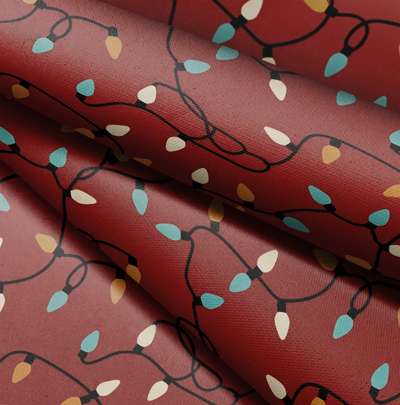
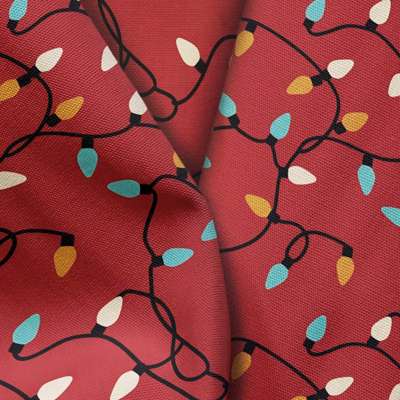
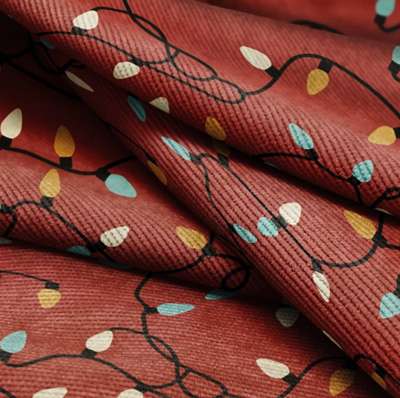
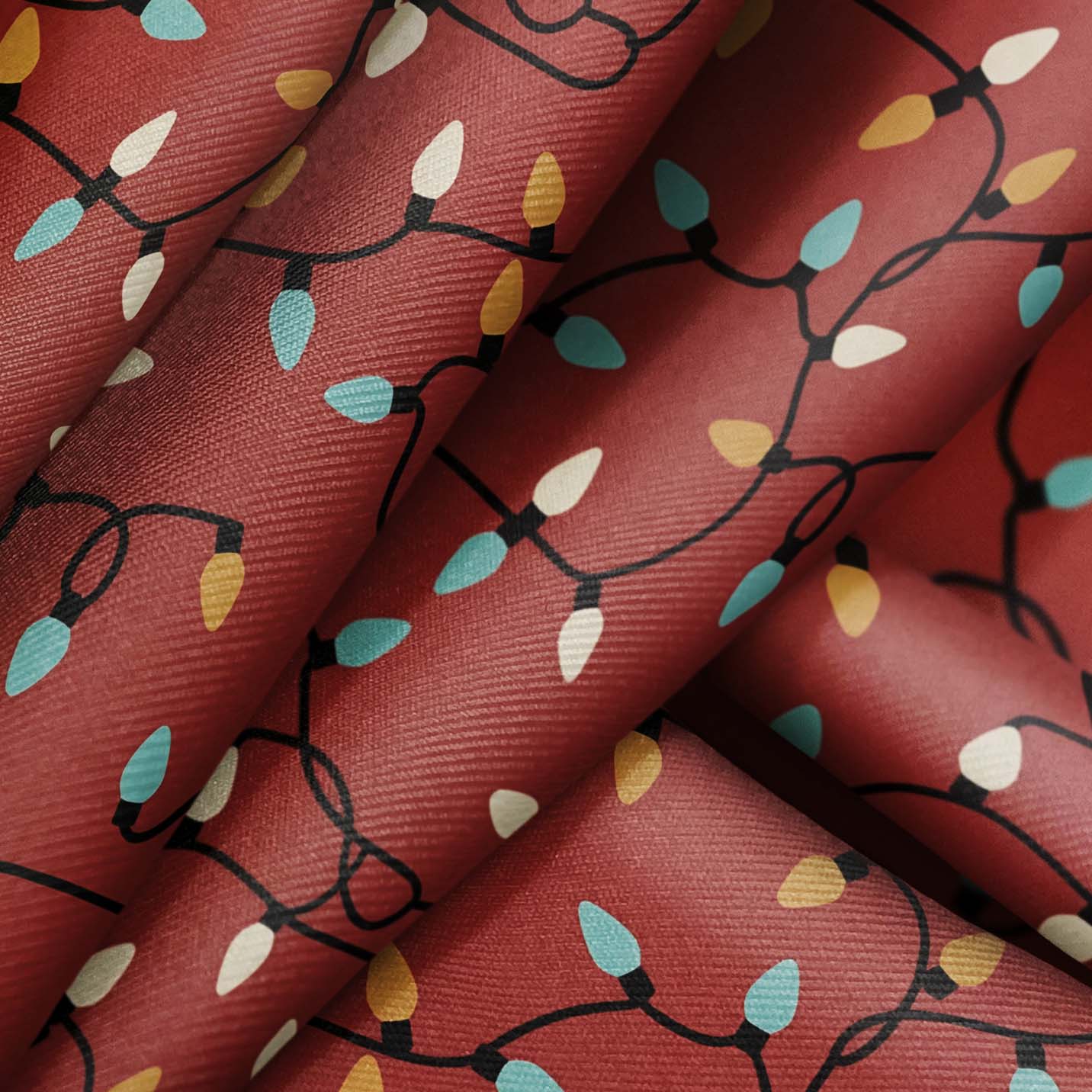
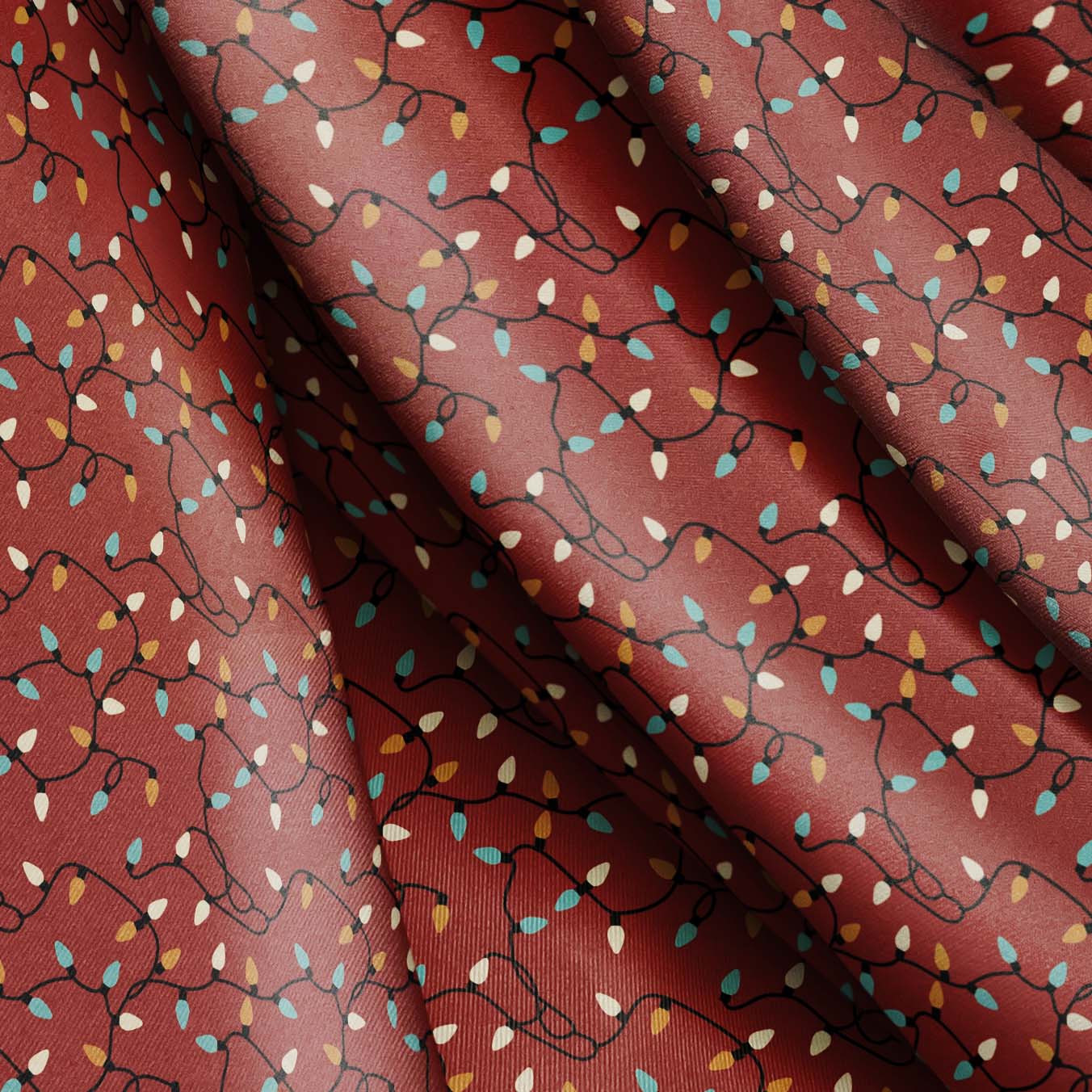
The 190 gr/m2 Recycled Lycra fabric is a versatile and sustainable material, featuring a printed design that combines a predominance of Garnet Red, accents of Night Black, and subtle touches of Mint Green. This design brings vibrant nuances that evoke energy and freshness. The colors intertwine to offer a dynamic visual effect, ideal for creating garments that capture attention. To complement this print, it is recommended to combine it with solid colors such as white, black, or grey, which will allow the printed design to stand out effectively. It is worth noting that the fabric is printed with the stamped design on one side using modern digital textile printing, thus ensuring optimal visualization of the design with no print on the opposite side.
In general, Recycled Lycra fabric presents characteristics that make it ideal for use in sportswear and swimwear. Its composition of 85% polyester and 15% elastane gives it a soft and elastic texture, providing exceptional comfort. In addition, its chlorine-resistant finish makes it ideal for use in swimming pools, while its very high UV protection factor (50+) ensures that the skin is protected during sun exposure. Its weight of 190 gr/m2 and width of 150 cm favor the creation of designs for various applications, from bikinis and swimsuits to sports tops and accessories such as scrunchies.
The applications and uses of this fabric are vast and varied. The flexibility provided by Lycra makes it perfect for making sportswear, such as yoga or training tops, where mobility and comfort are key. In swimwear fashion, its use for bikinis and swimsuits is not only limited to aesthetics, but also offers functionality and durability. Additionally, its ability to adapt to body shapes makes it an excellent option for creating products that require a snug fit.
Regarding the necessary care, it is essential to treat this fabric with special attention to preserve its characteristics. It should not be bleached, it is recommended to wash at a maximum temperature of 40°C and it is not suitable for dry cleaning. Ironing should be done at a cool temperature to avoid damaging the fiber and, finally, the use of a tumble dryer should be avoided, opting for air drying to maintain the integrity of the fabric.
Finally, the printing technology used is sublimation, a process that allows ink to be transferred to the fabric using heat and pressure. This technique ensures that colors are vibrant and durable, as the ink integrates into the polyester fibers, creating a finish resistant to fading and wear. This methodology is ideal for complex and colorful designs, such as the one presented by this fabric, ensuring that the motifs remain intact during use and washing.