Close
Click or press [Enter] to view the results
Trends


Printed Fabrics View articles
Telas en Colores Lisos View articles
Telas para Imprimir View articles
Trends
Printed Fabrics View articles
Telas en Colores Lisos View articles
Telas para Imprimir View articles

Elige colores lisos a juego con tu estampado favorito. ¡Selecciona aquí alguno de los colores principales!
| Material: | 75% Polyester, 25% Elastane |
| Width (cm): | 150 |
| Grammage (g/m²): | 230 |
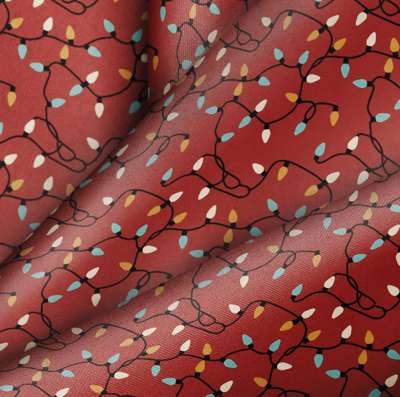
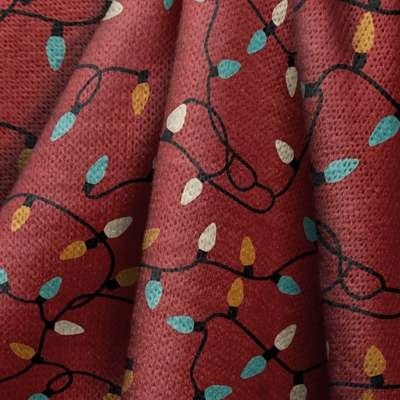
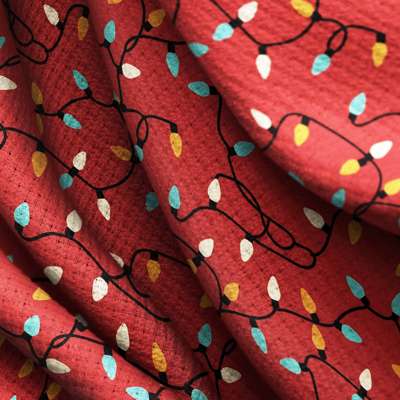
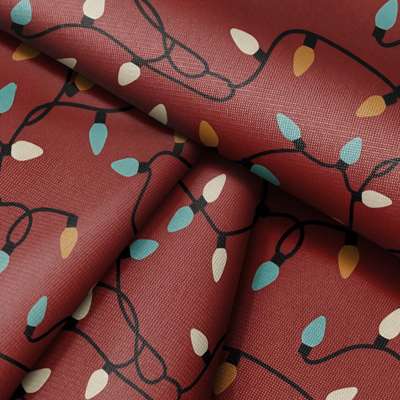
| Pattern: | Lights, Dark |
| Features: | Elastic, Chlorine Resistant, Very High UV Protection 50+ |
| Application / Use: | Body, Bikinis, Swimsuit, Jersey, Tights / Leggings |
| Sustainability certificates: | GRS |
| Manufacturing Method: | Single-sided digital textile printing, all products are custom-made to order. |
| Care: |
     |
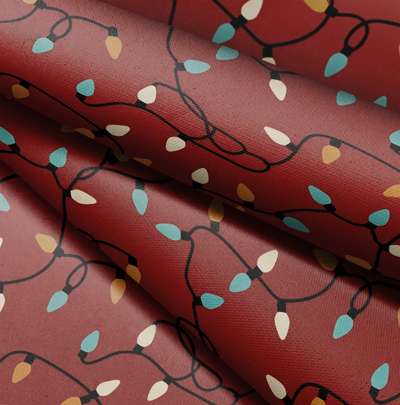
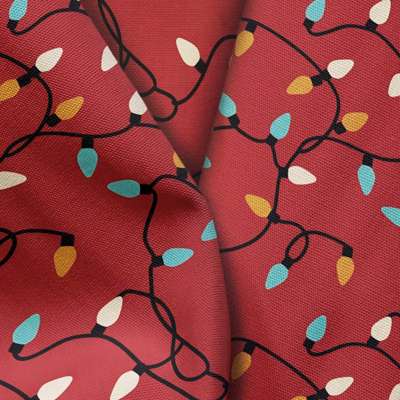
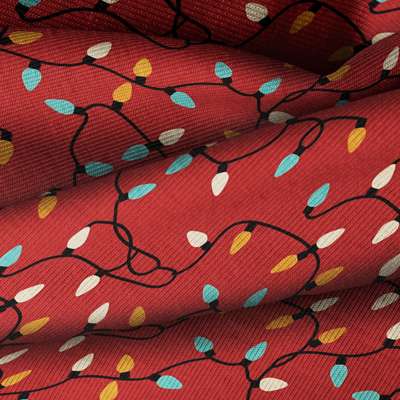
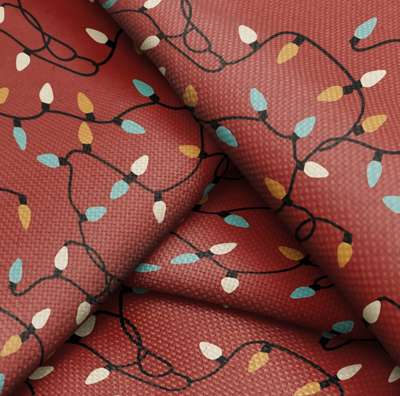
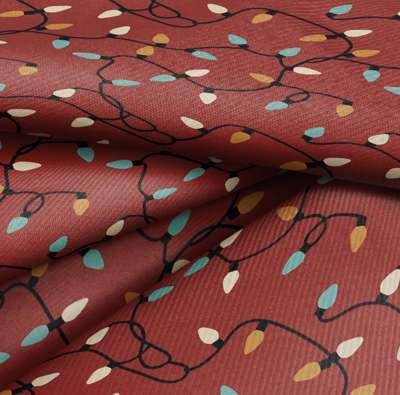
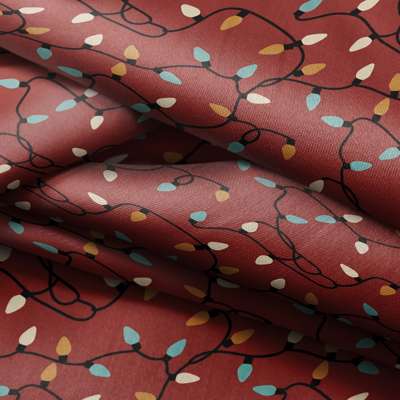
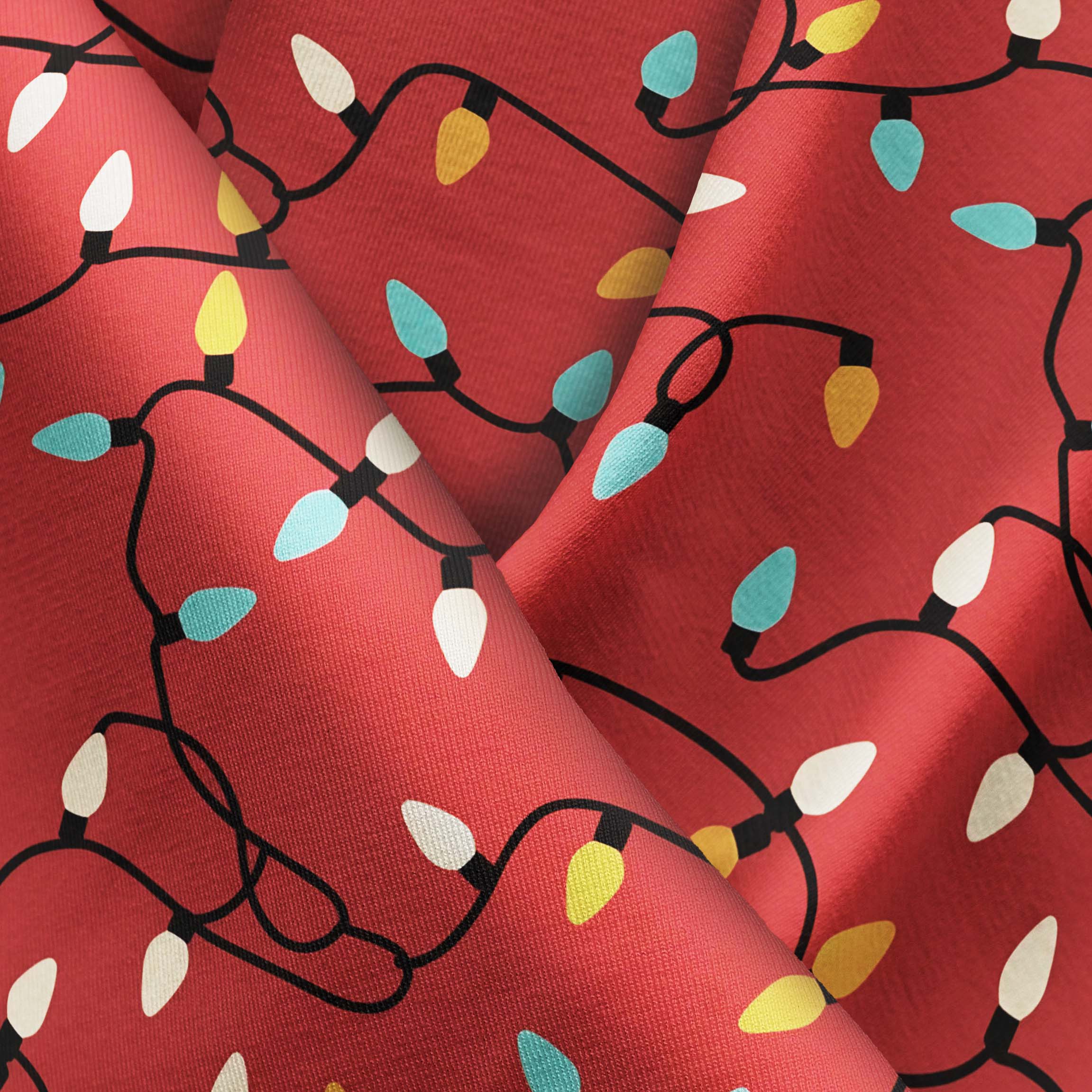
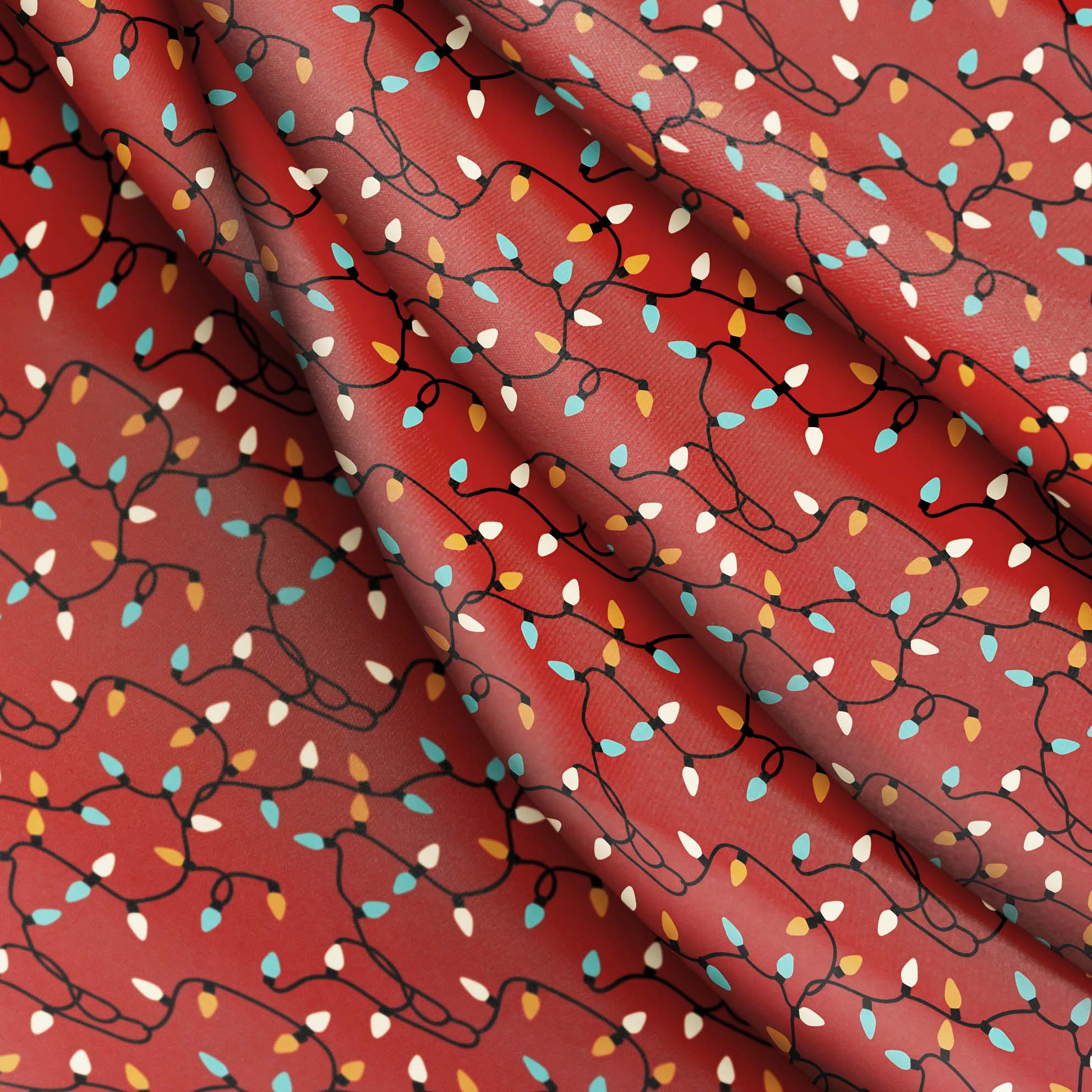
The Recycled Lycra fabric - Seal, 230 gr/m2, is an innovative blend of strength and elasticity, accompanied by a printed design with vibrant lights in maroon red, night black, and mint green tones, which provides a modern and elegant feel. This fascinating design is characterized by its ability to capture light, creating a dynamic and attractive visual effect. Solid colors that would perfectly complement this design are white, light gray, and navy blue, which would contrast harmoniously, allowing the design elements to stand out even more. It is important to note that the fabric is printed on one side using digital textile printing, which ensures the fidelity of the design while maintaining the softness of the fabric on the other side.
Regarding its characteristics, Recycled Lycra features an elastic texture, providing a soft and comfortable feel. Its weight of 230 gr/m2 makes it a robust and durable option, ideal for garments that require resistance to use, such as lingerie, sportswear, and swimwear. In addition, this fabric has a chlorine-resistant finish, making it perfect for applications in aquatic environments. Very high UV protection (UPF 50+) adds significant value, ensuring that garments made from this material offer effective defense against solar radiation. The combination of these attributes makes it a versatile option for multiple uses.
The applications and uses of this fabric are broad and varied. Ideally, it can be used in the manufacture of lingerie and bodysuits, where the need for elasticity and fit is fundamental. Its elastic nature also makes it an excellent choice for sportswear, such as tights, leggings, and leotards, guaranteeing comfort and freedom of movement. Furthermore, its use in swimsuits and bikinis is particularly advantageous thanks to its chlorine resistance and UV protection, making this fabric a safe and reliable option for aquatic activities. Fashion also benefits from its versatility, with the possibility of creating swimwear that is both aesthetic and functional.
Regarding fabric care, it is essential to note that bleaching is not recommended, and washing should be done at a maximum temperature of 40ºC. This garment does not allow dry cleaning, and it is advisable to iron at a cool temperature. In addition, the use of a tumble dryer should be avoided to preserve the integrity of the fabric, thus ensuring its durability and functionality over time.
Finally, the printing technology used for this fabric is sublimation on polyester, a process in which dyes turn into gas and fuse directly with the fabric fibers when heated. This technique allows for vibrant and long-lasting colors that integrate deeply into the fabric, preventing design wear over time. Sublimation is highly effective for synthetic fabrics, guaranteeing a perfect finish that highlights the qualities of both the fabric and the printed design.