Close
Click or press [Enter] to view the results
Trends


Printed Fabrics View articles
Telas en Colores Lisos View articles
Telas para Imprimir View articles
Trends
Printed Fabrics View articles
Telas en Colores Lisos View articles
Telas para Imprimir View articles


Elige colores lisos a juego con tu estampado favorito. ¡Selecciona aquí alguno de los colores principales!
| Material: | 100% Polyester |
| Width (cm): | 160 |
| Grammage (g/m²): | 220 |
| Pattern: | Simple, Photography, Light, Corrosion, Oxide |
| Features: | Drawn out |
| Application / Use: | Hoodies, Toiletry bags, Hoodies, Backpacks, Tracksuit |
| Sustainability certificates: | GRS |
| Manufacturing Method: | Single-sided digital textile printing, all products are custom-made to order. |
| Care: |
     |
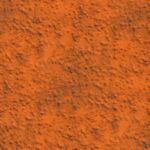
The Brushed Sweatshirt Fabric - Boston features a simple yet complex printed design with elements of corrosion and oxidation, in multicolor tones. This design symbolizes both decay and strength, giving the fabric an urban look. Furthermore, it could pair well with solid colors such as black, gray, or white. Its worth noting that the fabric is digitally printed with the design on one side only.
Regarding general characteristics, the fabric has a weight of 220 gr/m2, a width of 160 cm, and a composition of 100% polyester with a brushed finish. This finish provides a soft and pleasant feel against the skin, making it an excellent choice for garments such as sweatshirts and tracksuits. Additionally, this fabric is GRS certified and sustainable due to its composition of recycled materials.
In terms of applications and uses, apart from those already mentioned, the Brushed Sweatshirt Fabric - Boston could also be used for making toiletry bags and sports backpacks. Its resistance and durability characteristics make it ideal for withstanding continuous use and the typical wear and tear of these types of items.
As for care, its important to note that the fabric should not be bleached or ironed, and should be washed at a maximum temperature of 40ºC. The use of trichloroethylene in dry cleaning should also be avoided. For drying, tumble drying at a reduced temperature is recommended.
Finally, the printing technology used to manufacture this fabric is sublimation, which involves the transfer of a digital image from printing ink through heat. This process allows for printing high-quality and highly precise designs on fabrics like polyester, offering a wide variety of creative possibilities.