Close
Click or press [Enter] to view the results
Trends


Printed Fabrics View articles
Telas en Colores Lisos View articles
Telas para Imprimir View articles
Trends
Printed Fabrics View articles
Telas en Colores Lisos View articles
Telas para Imprimir View articles


Elige colores lisos a juego con tu estampado favorito. ¡Selecciona aquí alguno de los colores principales!
| Material: | 97% Polyester, 3% Elastane |
| Width (cm): | 146 |
| Grammage (g/m²): | 95 |
| Pattern: | Simple, Photography, Brick, Dark, Vibrant |
| Features: | Brilliant, Smooth, Thin |
| Application / Use: | Shirts, Blouses, Kimono, Accessories, Monkeys |
| Manufacturing Method: | Single-sided digital textile printing, all products are custom-made to order. |
| Care: |
     |
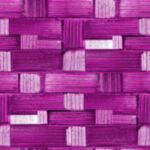
Raso Ámsterdam fabric is a soft and shiny satin fabric, composed of 100% polyester with a weight of 120 gr/m2 and a width of 150 cm. Its printed design is a combination of simple brick shapes and square patterns in vibrant multi-colors. This design is ideal for avant-garde fashion pieces and accessories. The fabric is digitally printed with the design on one side.
The general characteristics of this fabric are its shiny visual texture and its smooth and thin tactile texture. The printed design is simple and composed of geometric shapes in vibrant tones that will capture the attention of any observer. This design can be combined with solid tones such as white, black, red, or orange on a predominant lilac or black background.
Raso Ámsterdam fabric is very versatile and suitable for a wide variety of fashion applications and uses, such as shirts, blouses, skirts, jumpsuits, pajamas, tops, dresses, pants, scarves, and bridal and wedding lingerie, among others. Its shiny and smooth surface gives it an elegant and sophisticated look, ideal for high-quality garments.
To maintain and care for this fabric, it is important to follow the care recommendations provided by the manufacturer. Do not bleach, wash at a maximum temperature of 40°C, dry cleaning is allowed except with trichloroethylene, iron at warm temperature, and tumble dry at reduced temperature.
This fabric is printed with sublimation (polyester), a digital printing technique that transfers ink to the polyester fiber through special ink and high temperature. The main advantage of this procedure is that the ink is absorbed by the fiber instead of simply being applied to the surface, which gives greater durability and quality to the print.